1974 Alfa Romeo Spider
1974 Spider 2000 · Haltech EFI · supercharged · Sistema SFIGA, a homemade CAN dash
The car
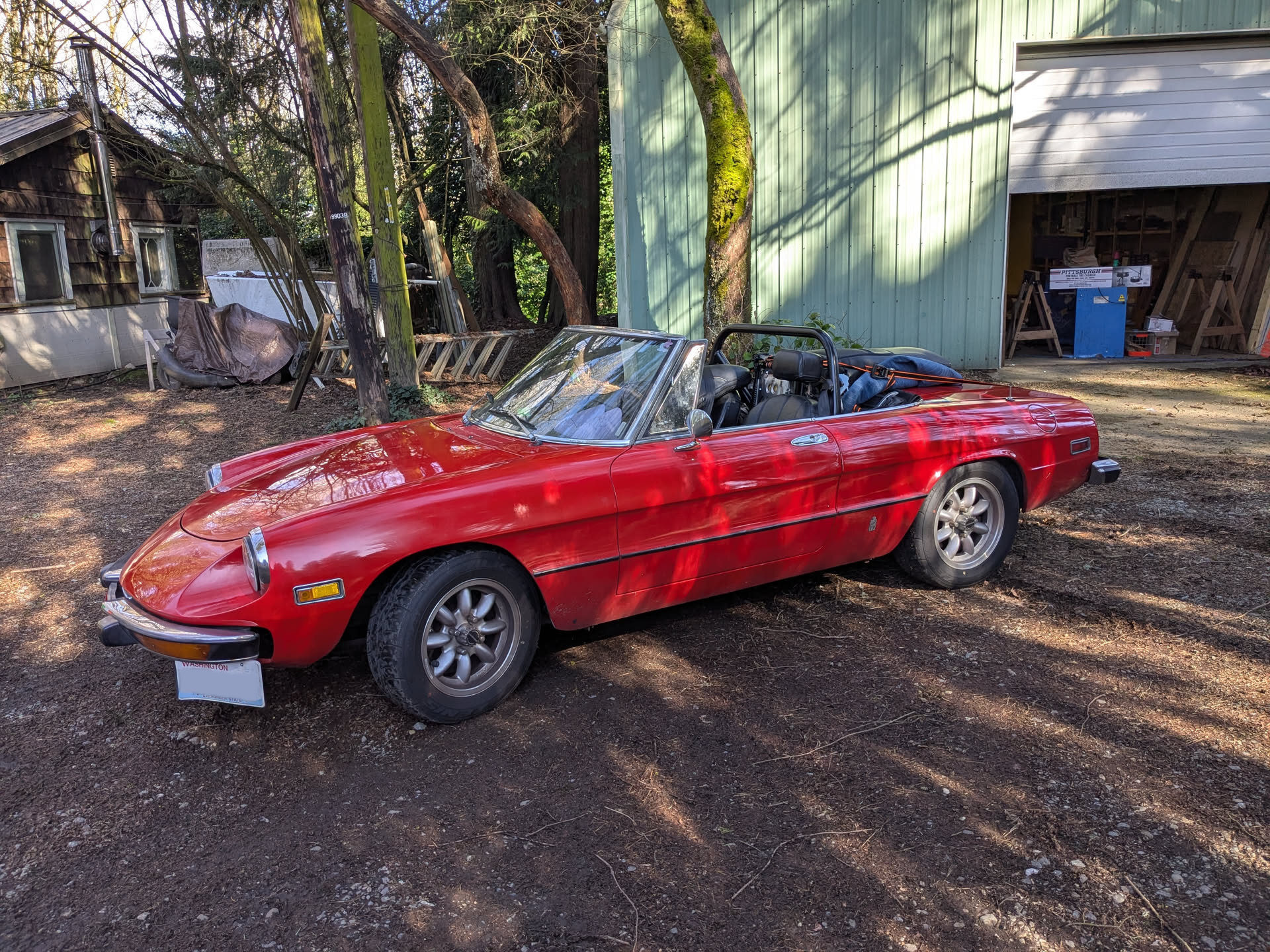
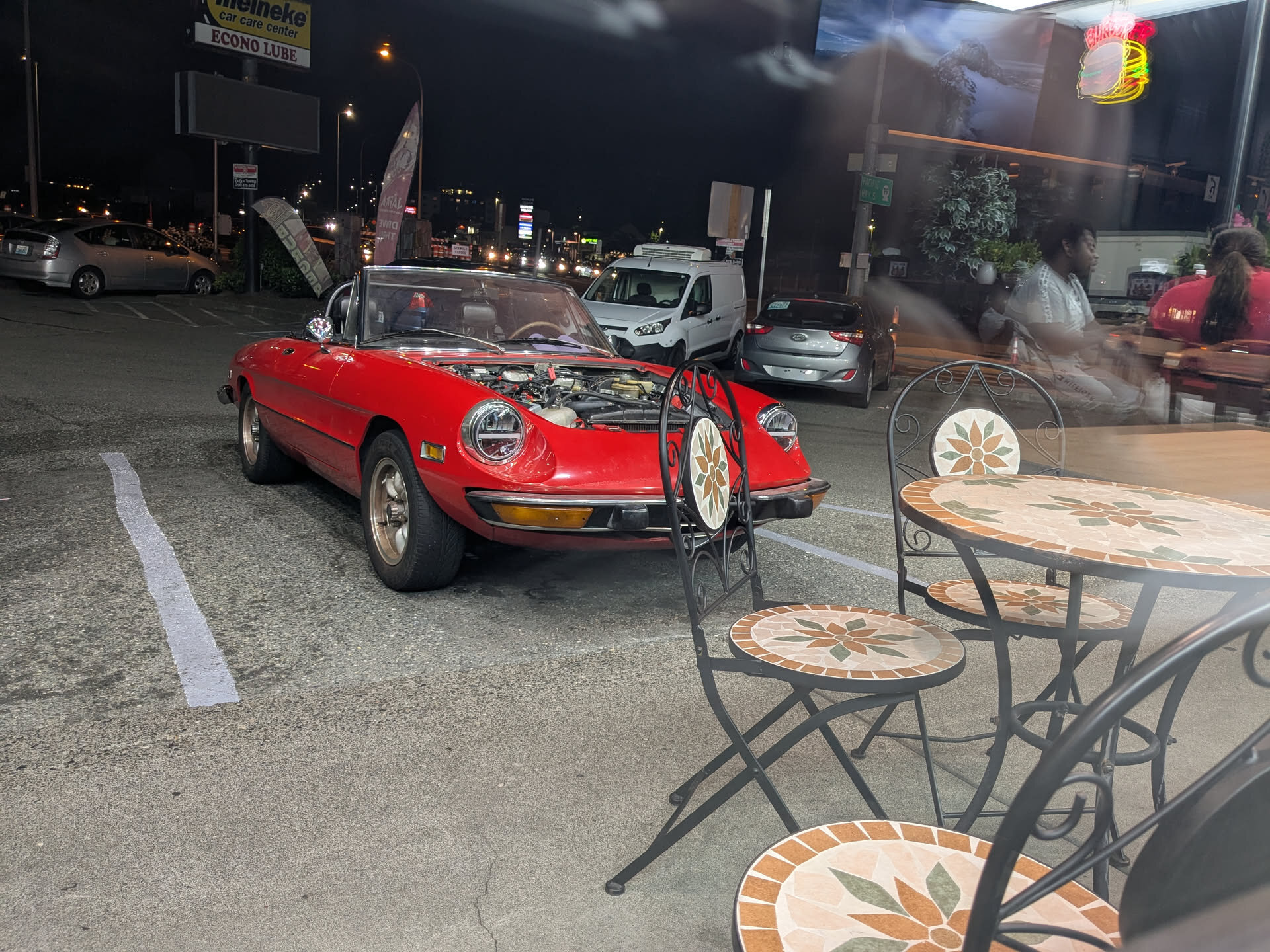
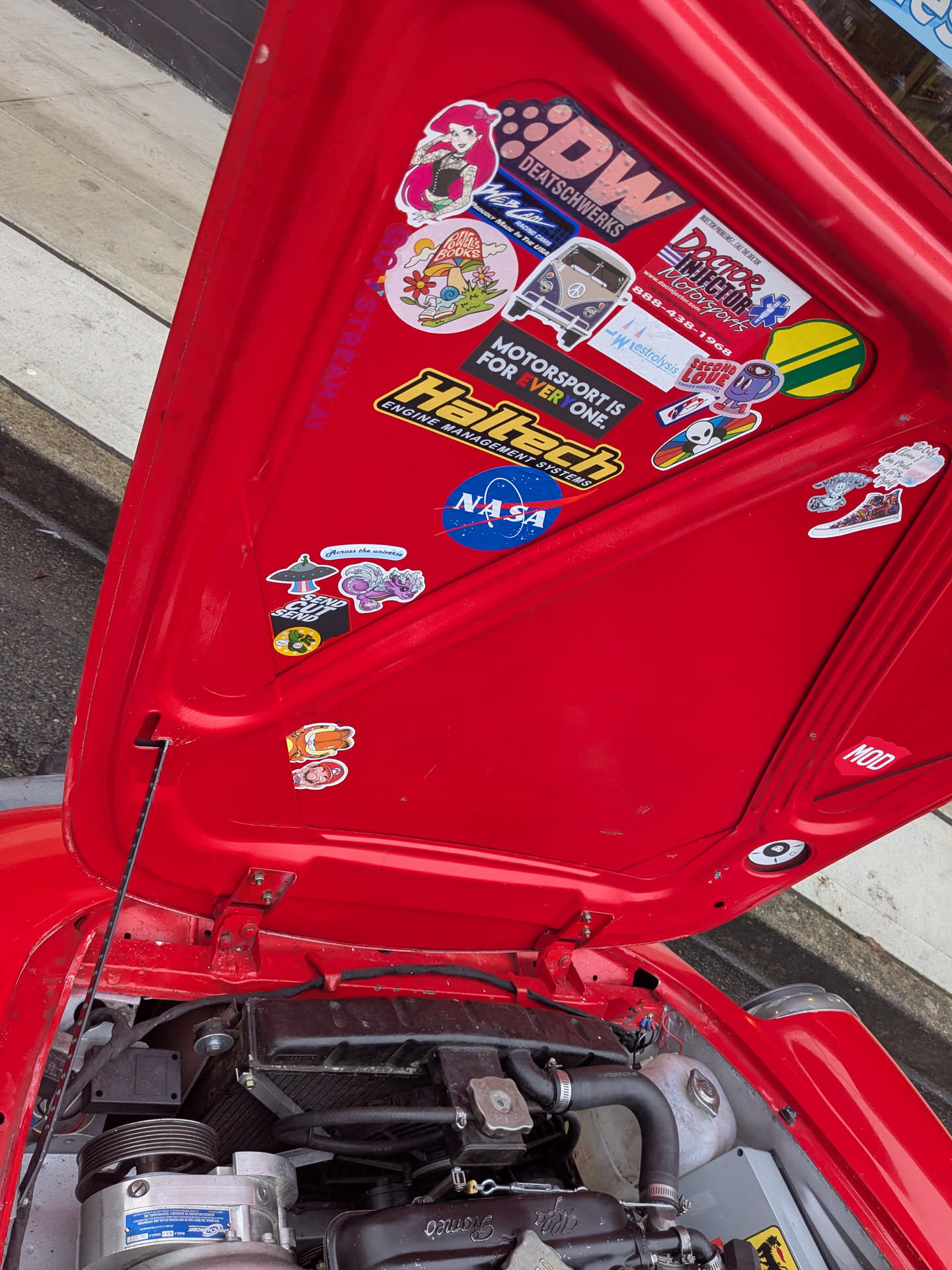
- 1974 Alfa Romeo Spider 2000 (115 series), originally SPICA mechanical injection
- Driven for a few years as stock, restomod began ~2024
- First EFI drive: around 30 May 2025
- Dyno day: 14 August 2026, supercharged, achieved 2 psi (running a huge testing pulley - watch this space!)
Engine and fuel
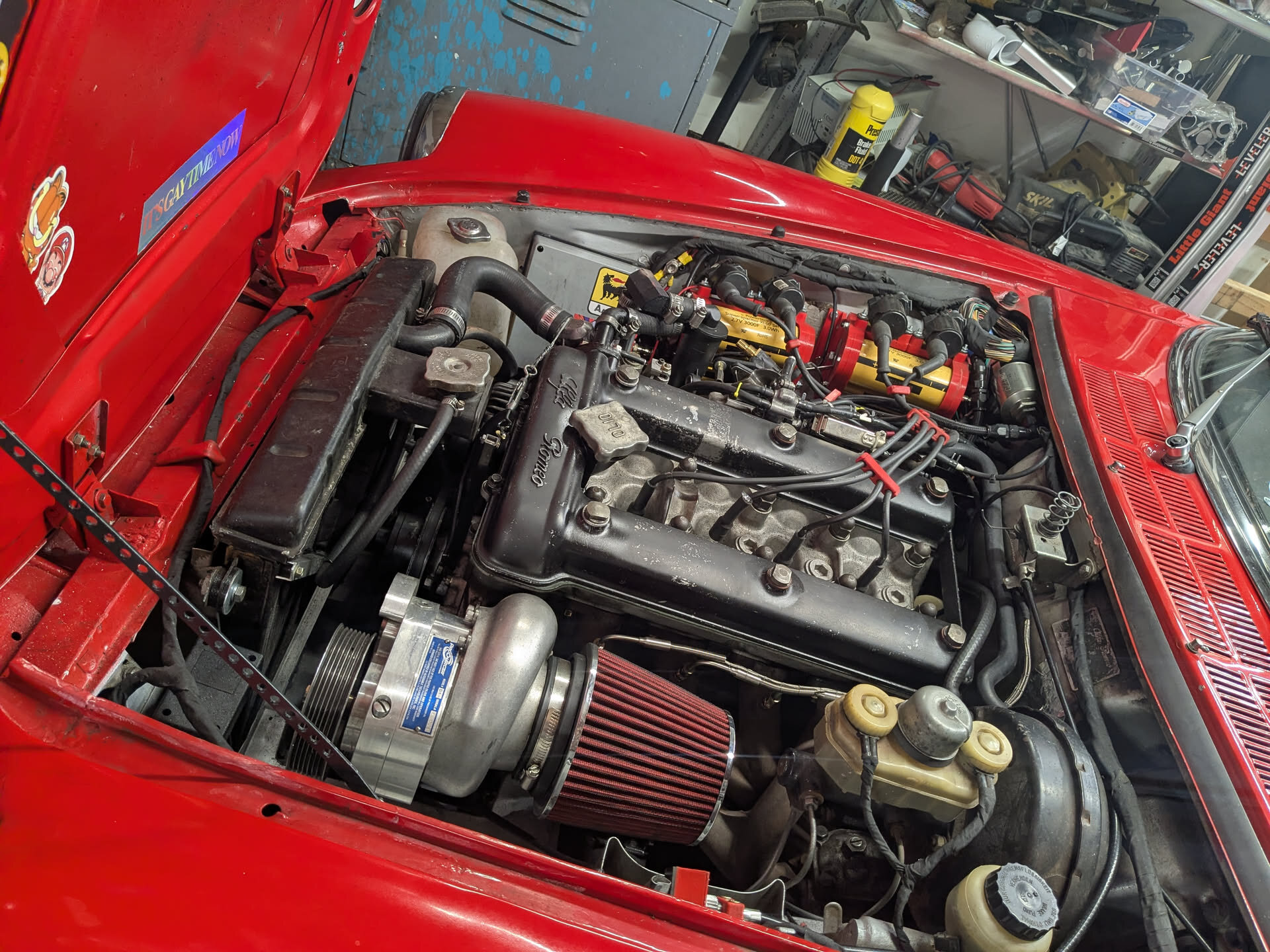
- Haltech Elite 1000 ECU, tuned by me. Originally V-E MAP tuned, went with V-E Alpha-N + corrections once the supercharger came up (ITBs made MAP tuning hard...)
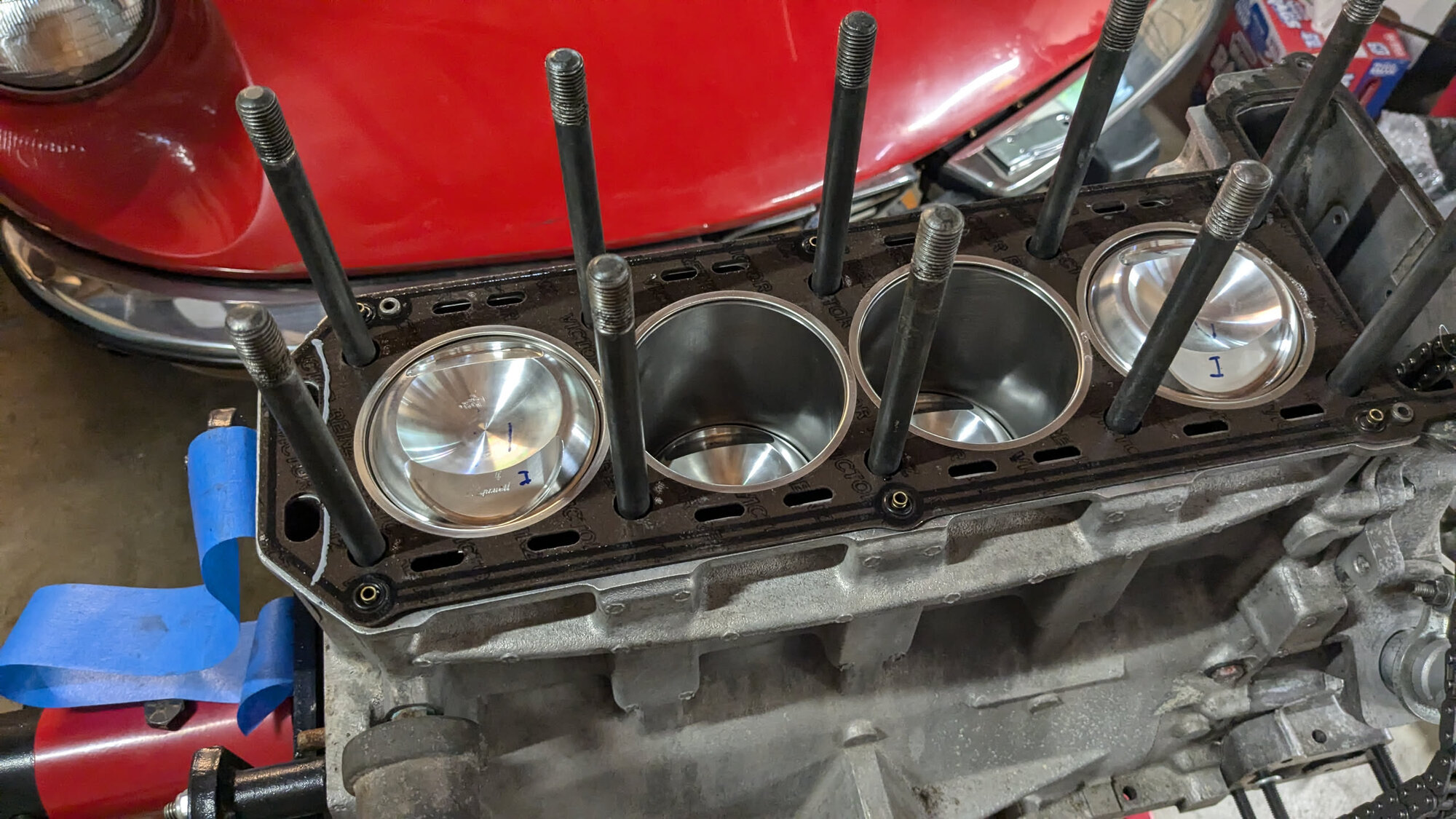
- Low comp JE Pistons 8.5:1 for the extra margin, medium cams, oversized valves.
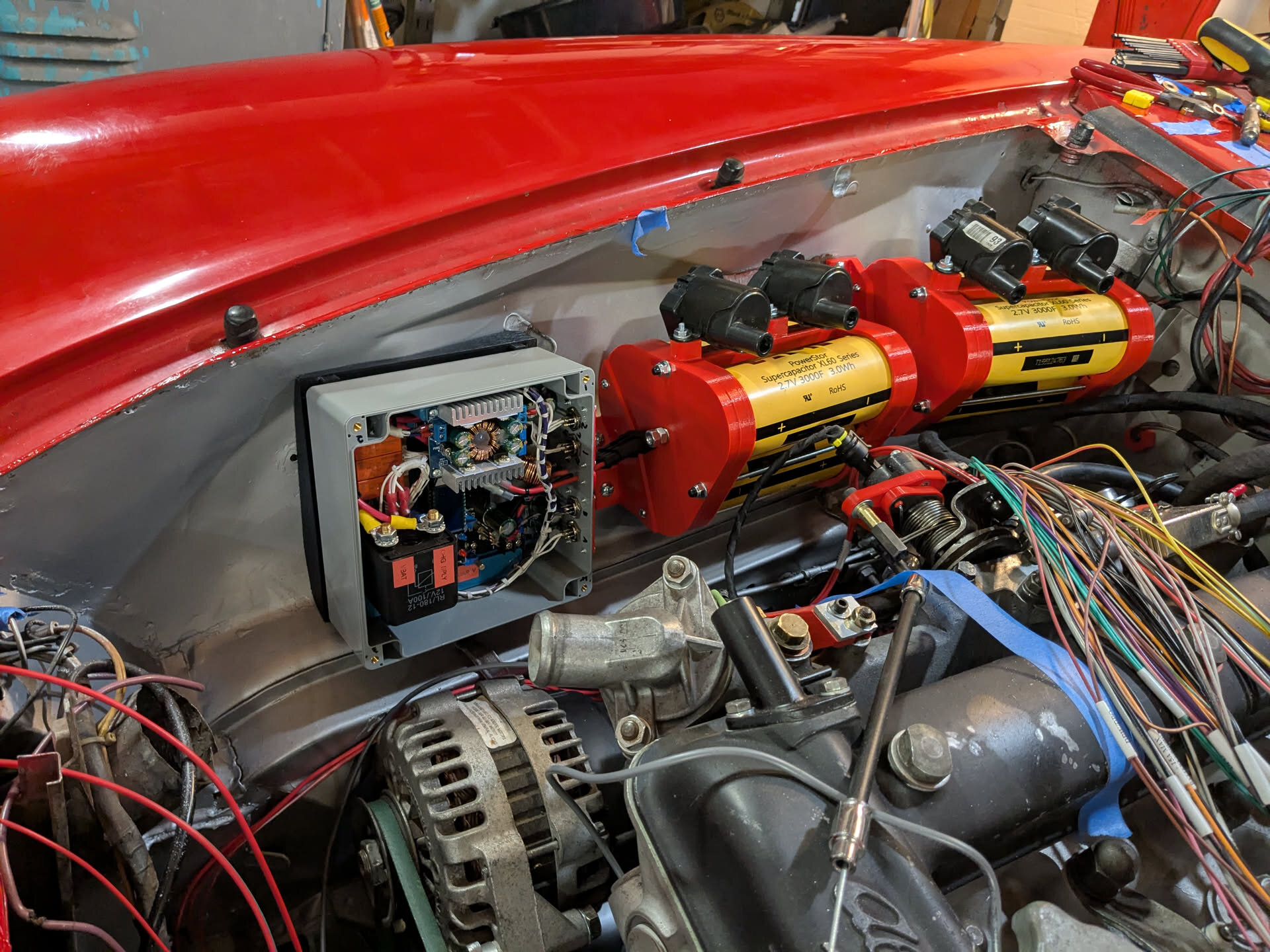
- LS2 coils
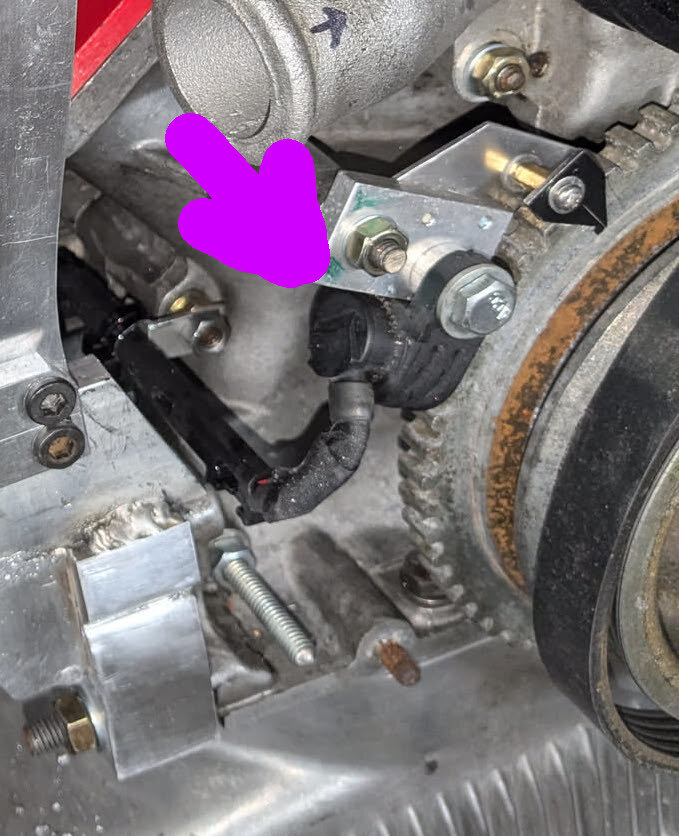
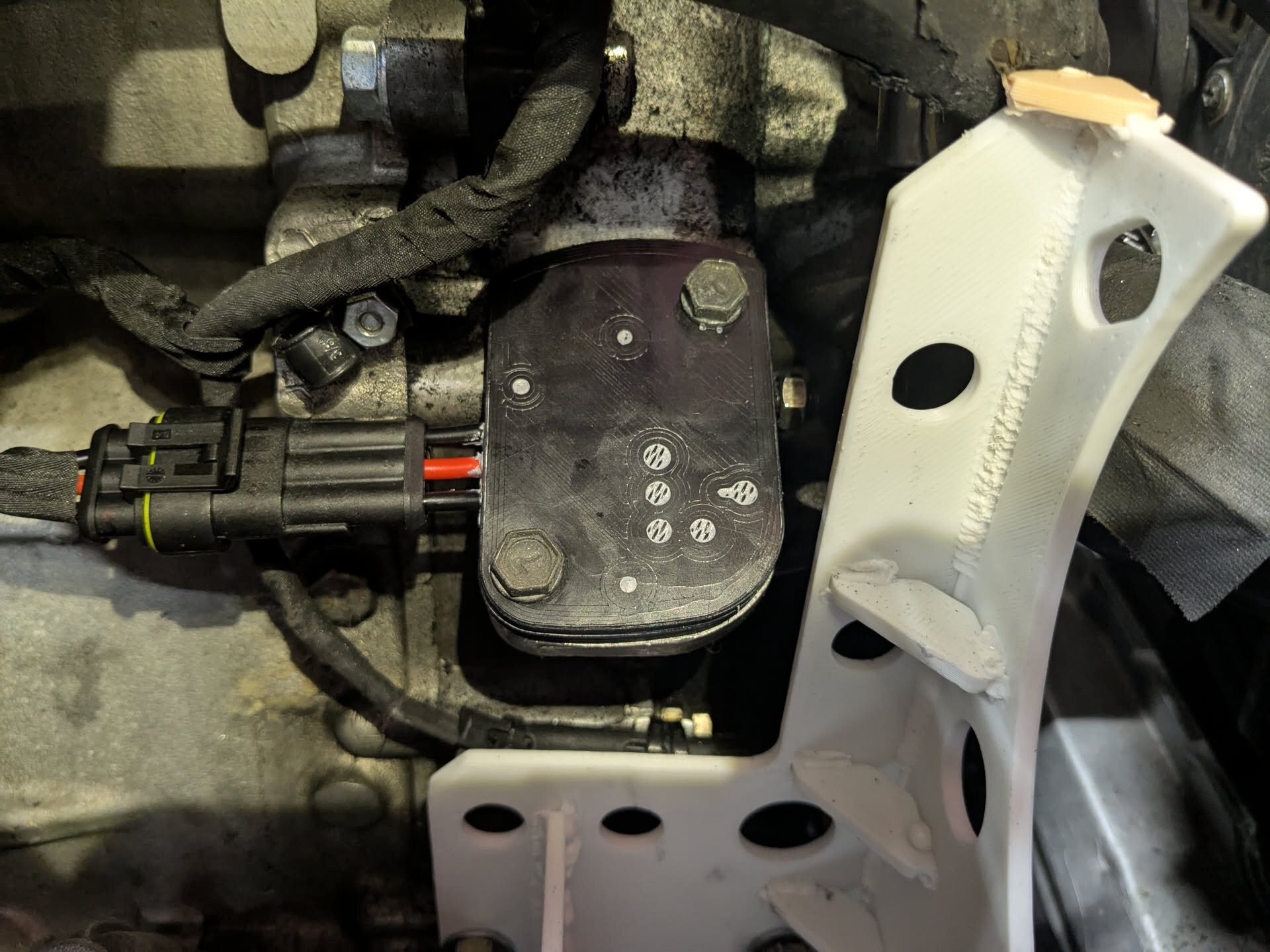
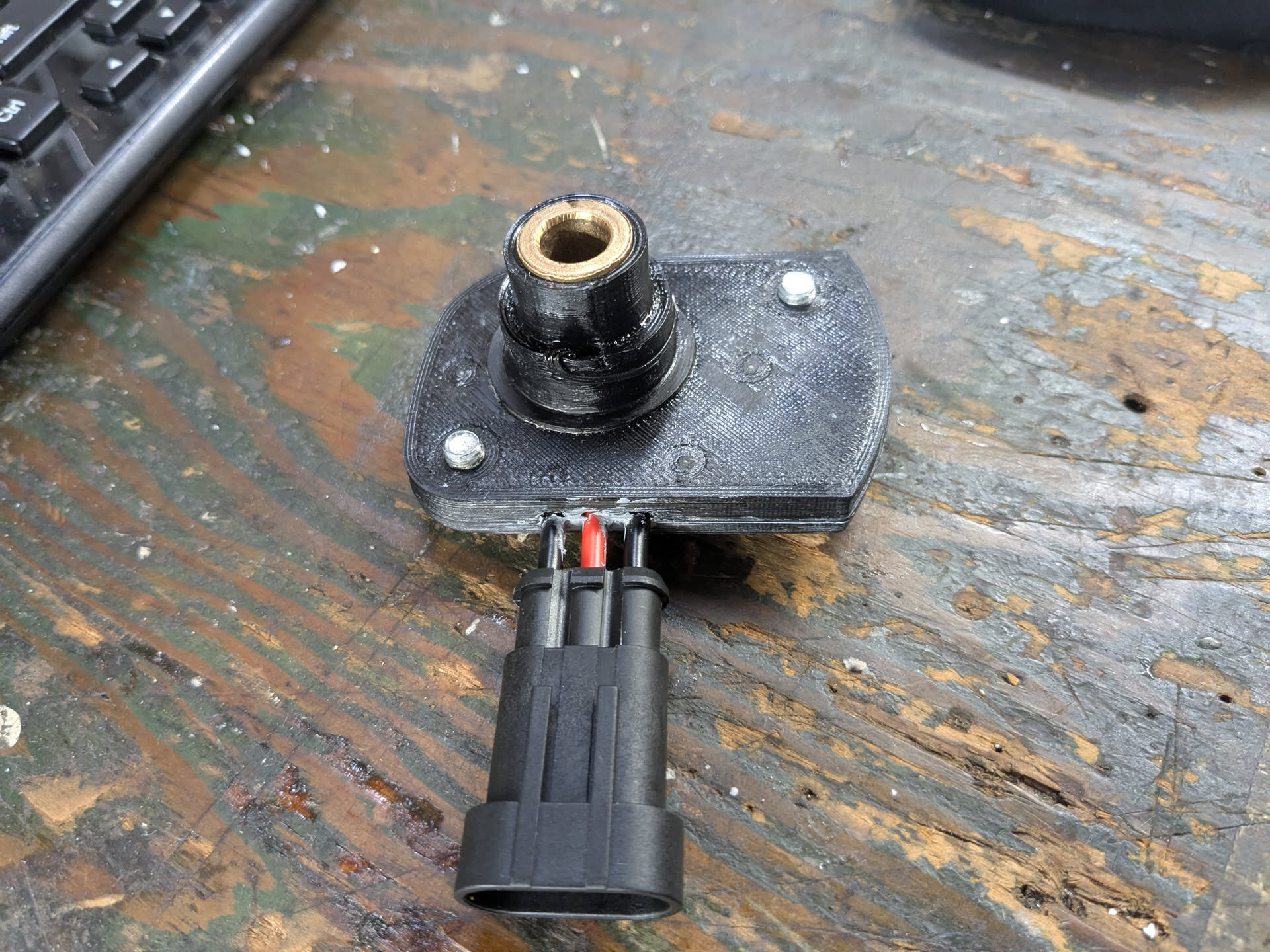
- Custom crank (reluctor) and cam (hall effect replacing dizzy) pickups.
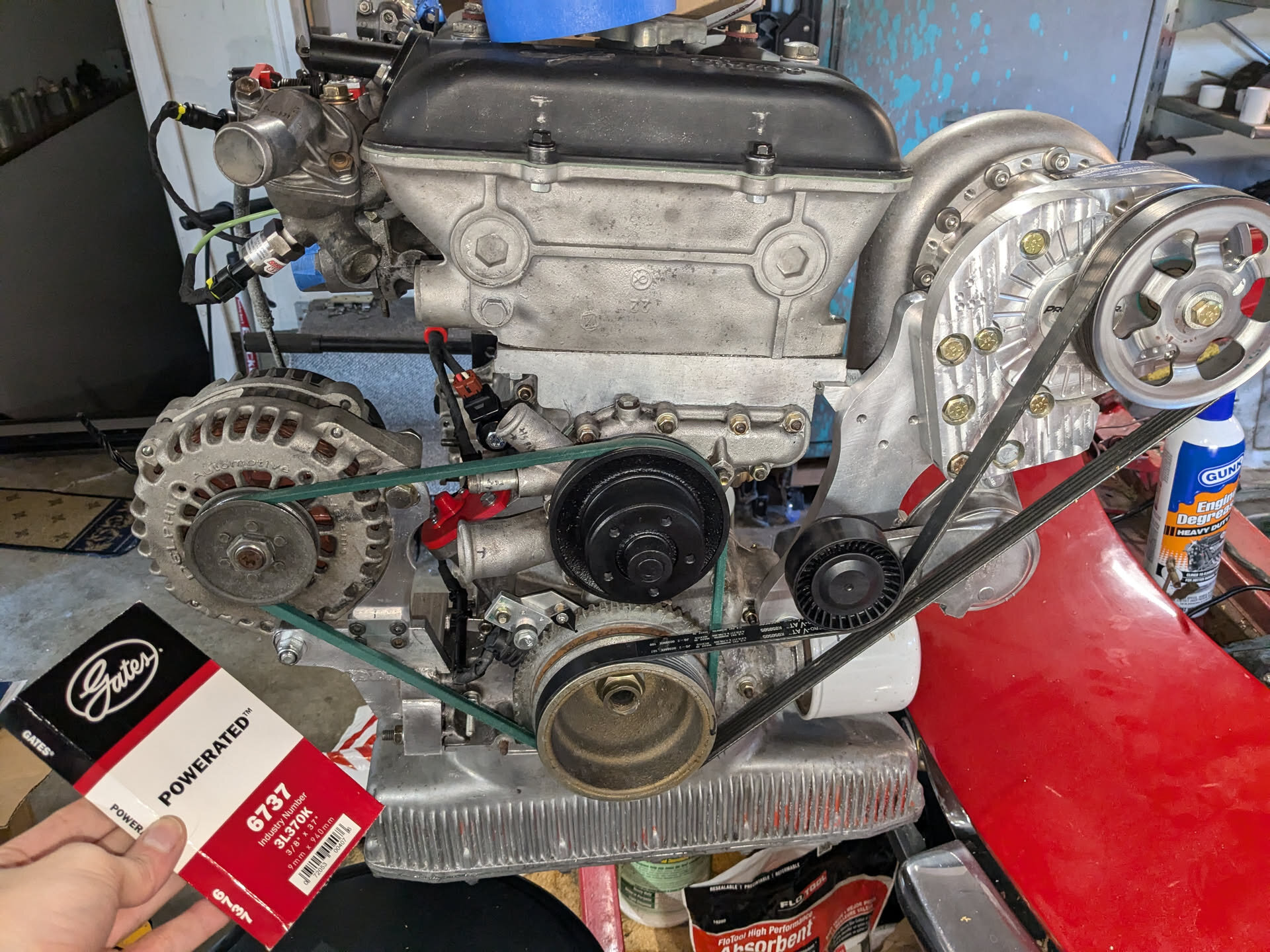
- TwinSpark pulley retrofit (custom machined front housing) for reluctor pickup. The AC ribbed pulley drives the supercharger.
- Deka 107961 injectors (62 lb/hr), fitted to the original SPICA injector bores with sleeves turned on the lathe + TIG to original manifold.
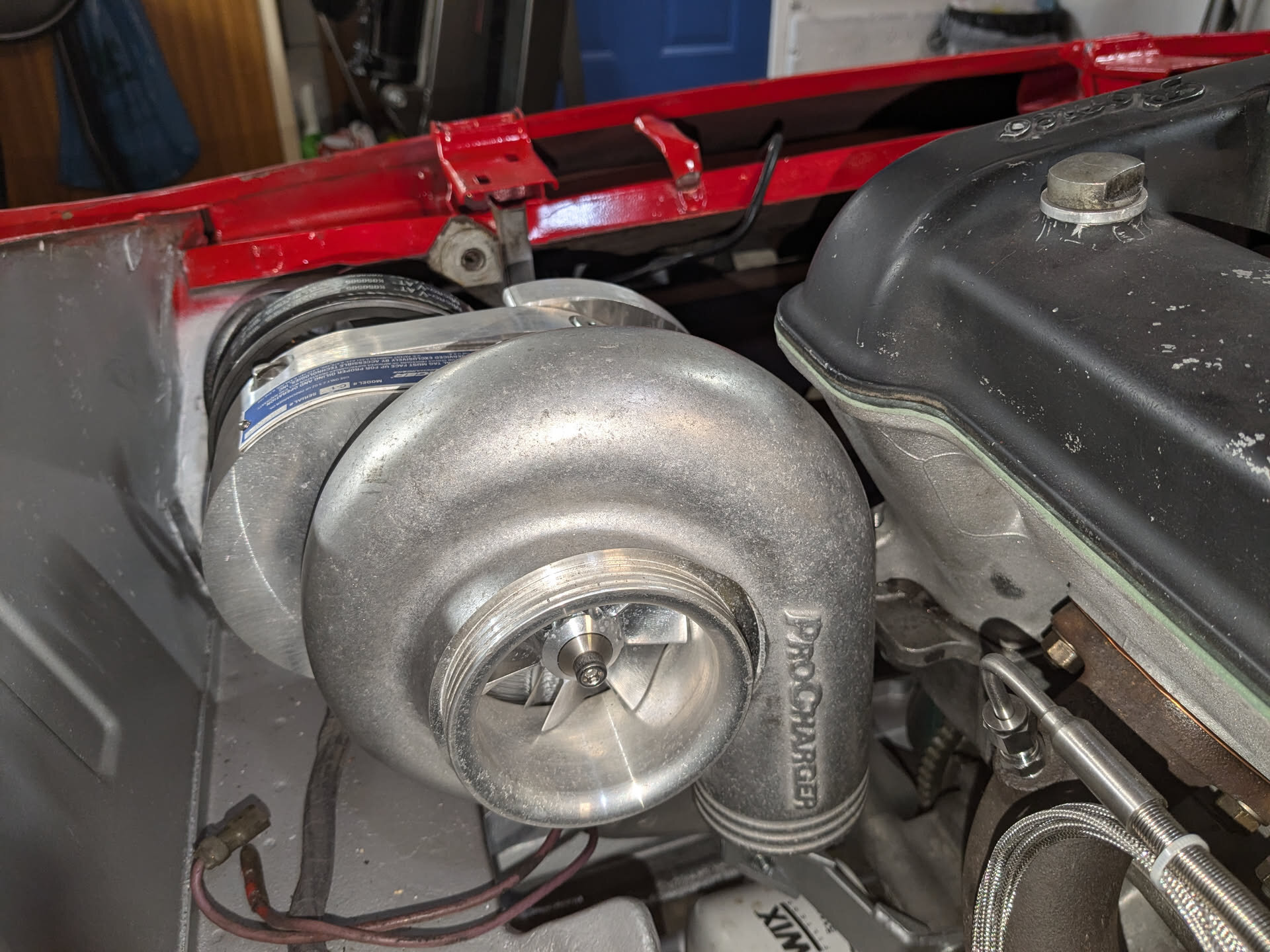
- Supercharger (ProCharger C-1)... because roots are overdone and turbos don't feel right for this kind of car (she wants to give instant feedback).
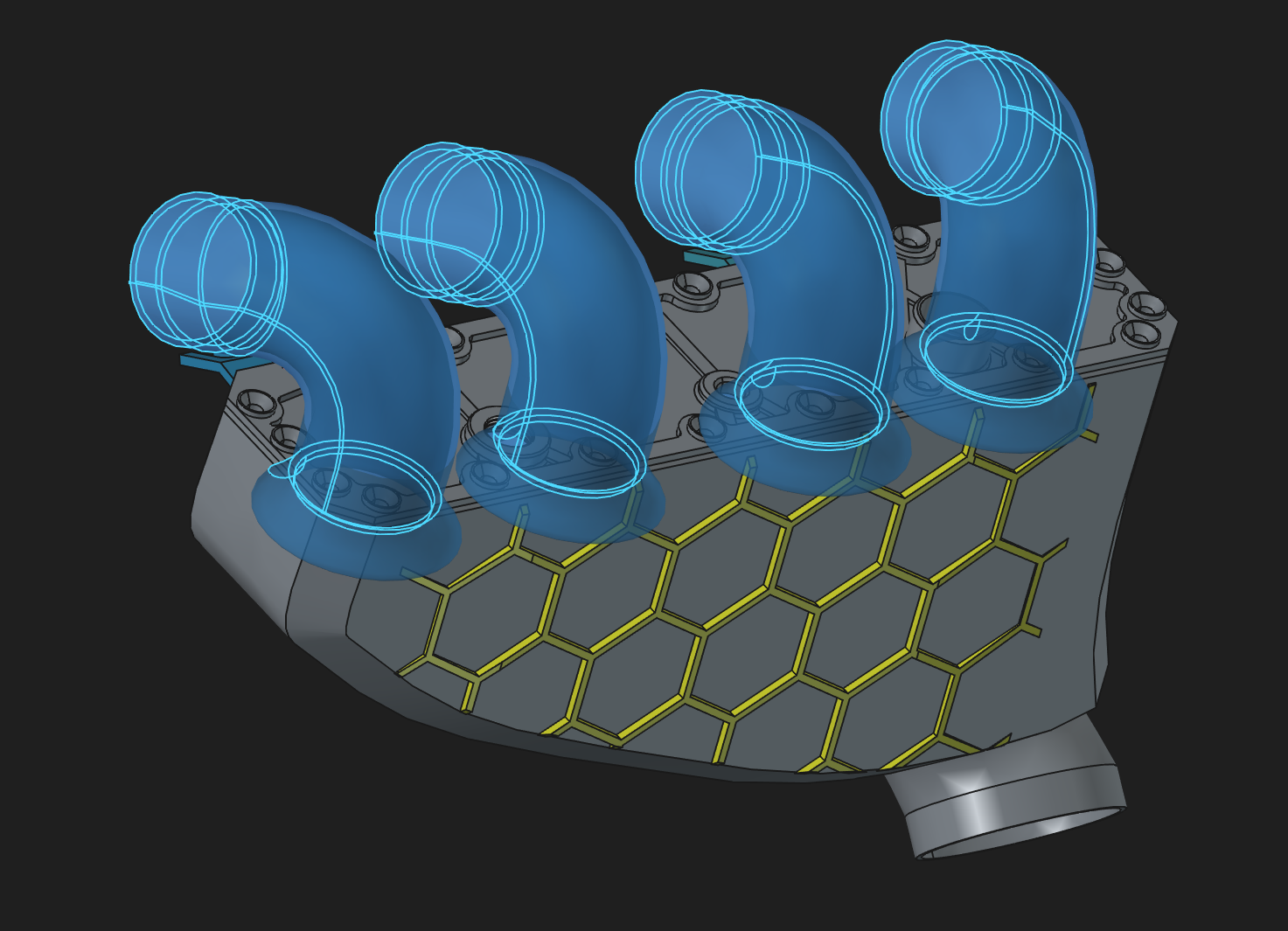
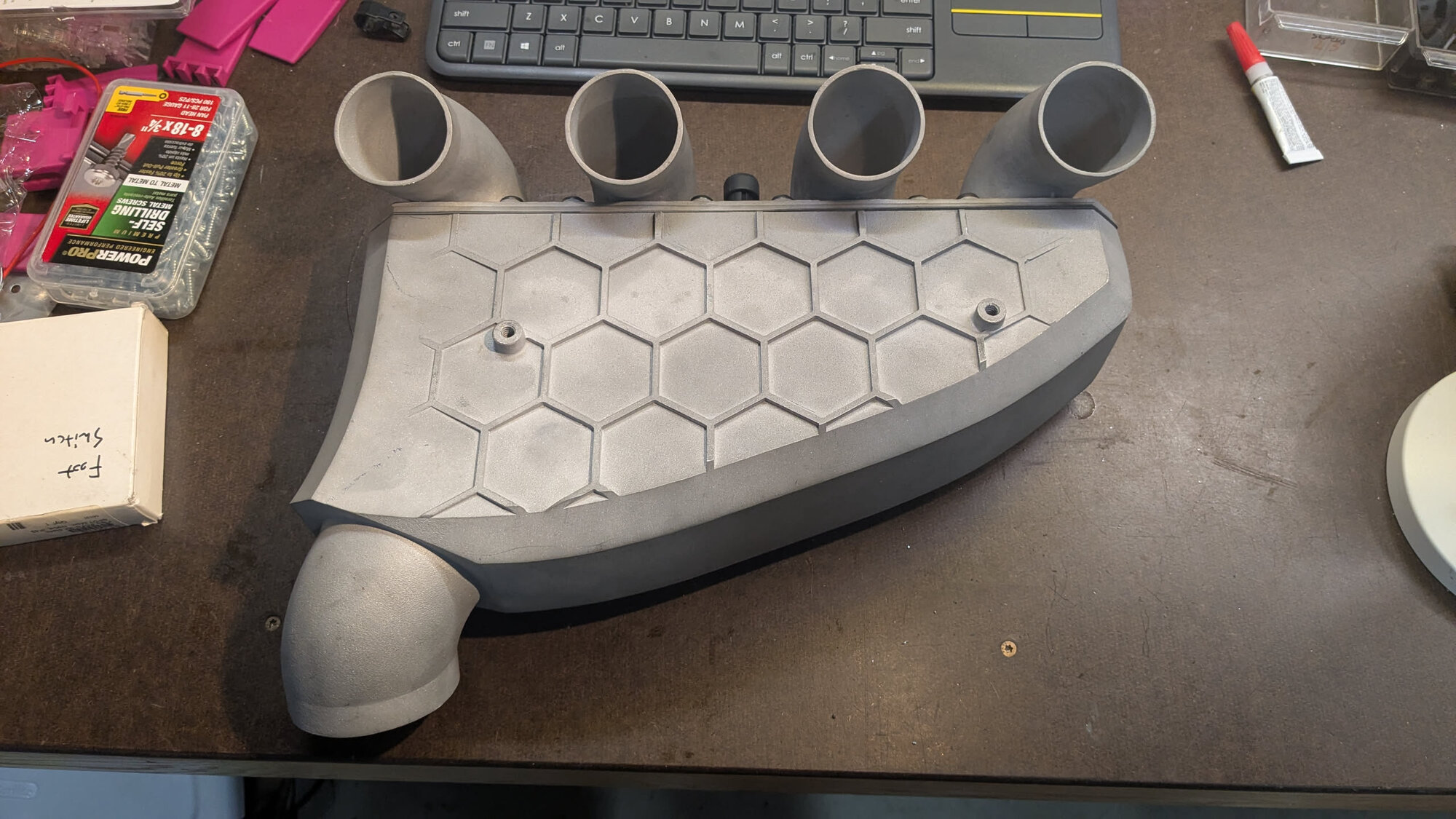
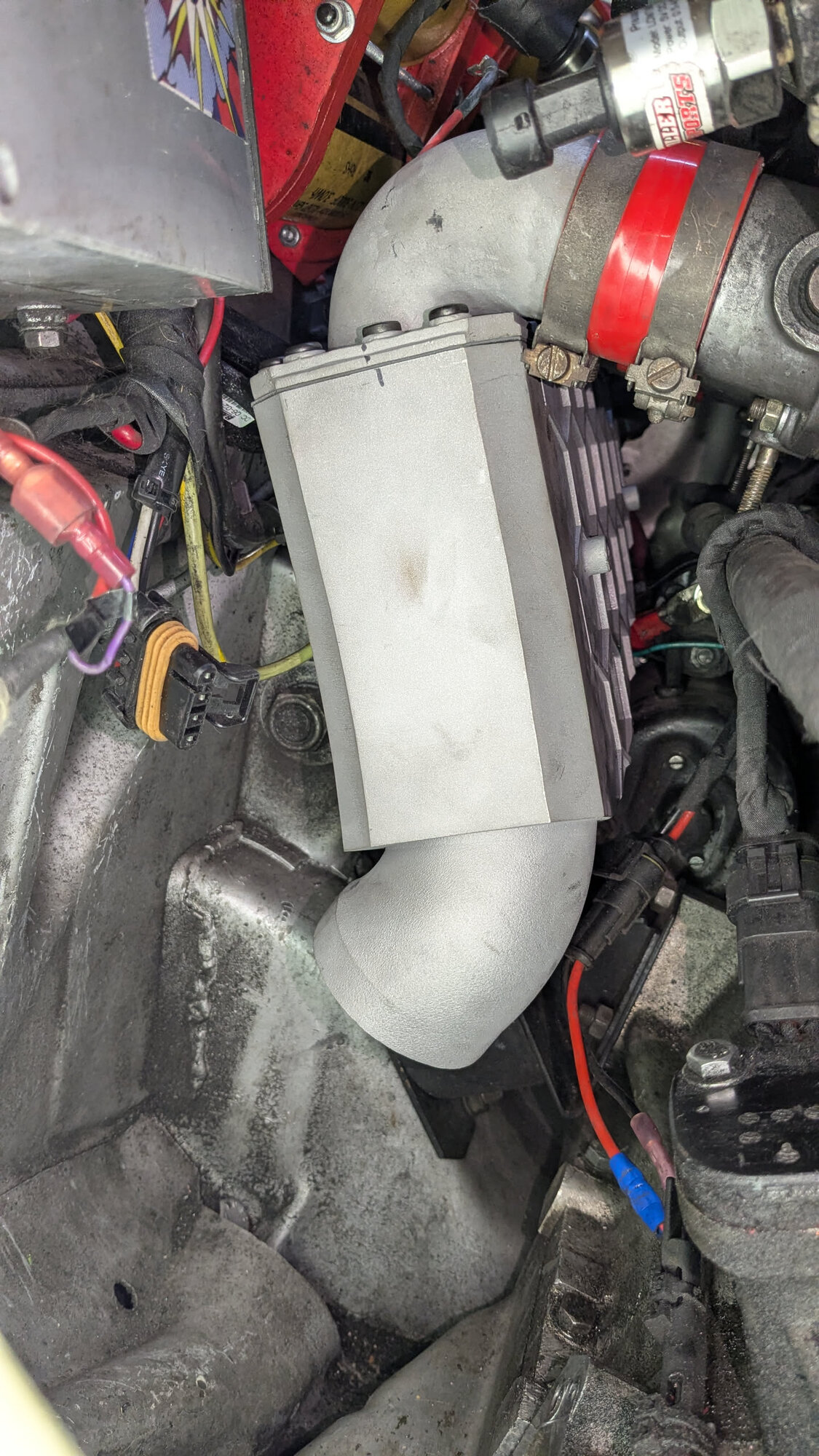
- Intake manifold, it had three generations: sheet metal from SendCutSend (Dec 2024, my design wasn't good) → a PA12-CF version (Jul 2025, monolithic design with tuned bellmouths) → v3 printed in aluminum with ITB bellmouths and FEA in FreeCAD (May 2026, craftcloud)
Starting and power
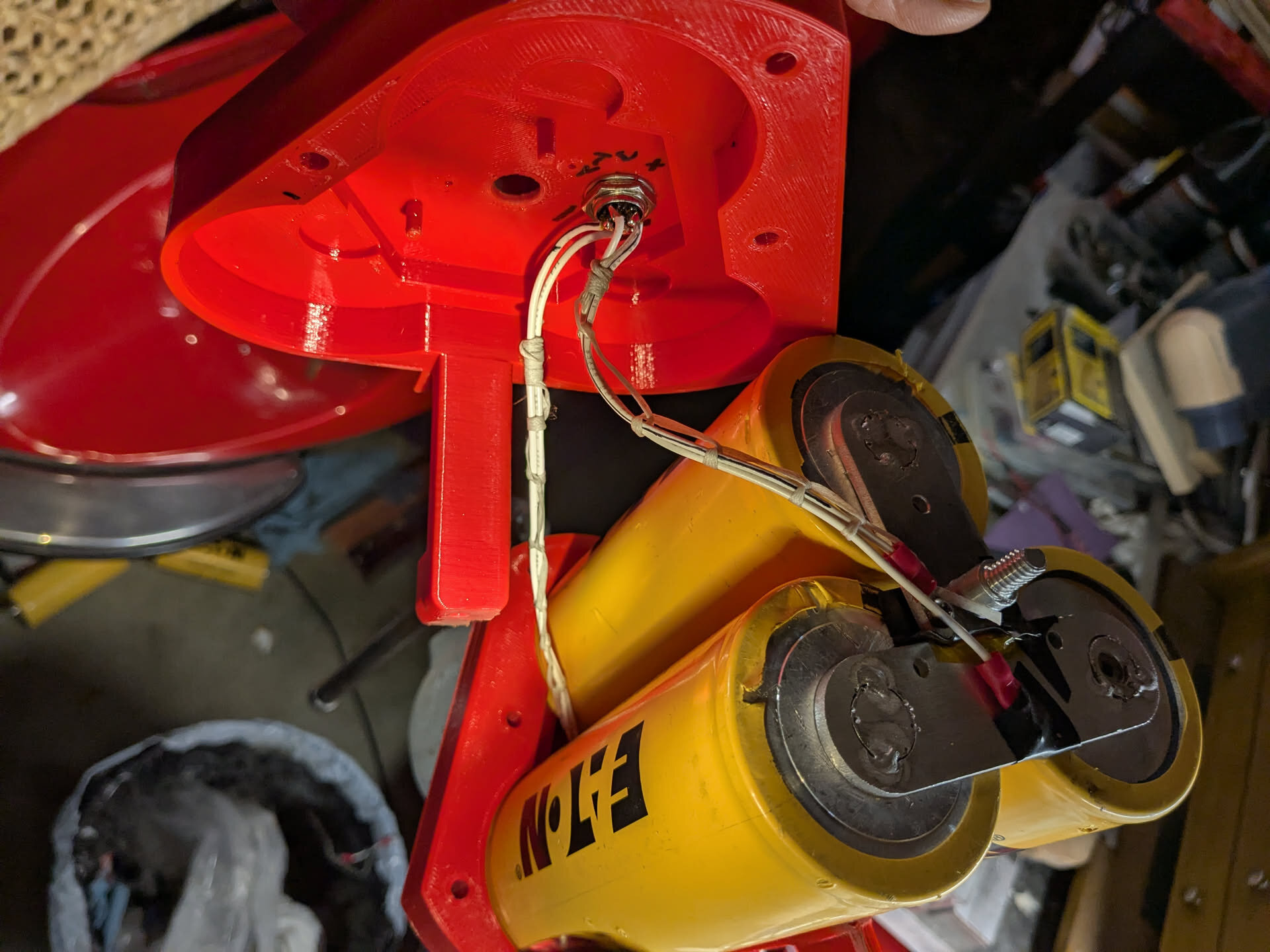
- Supercapacitor bank for starting
- USB shore power keeps the supercap or the main battery topped up (I drive her often, so rarely needed)
- 120V from a built-in inverter with in-dash fault monitoring
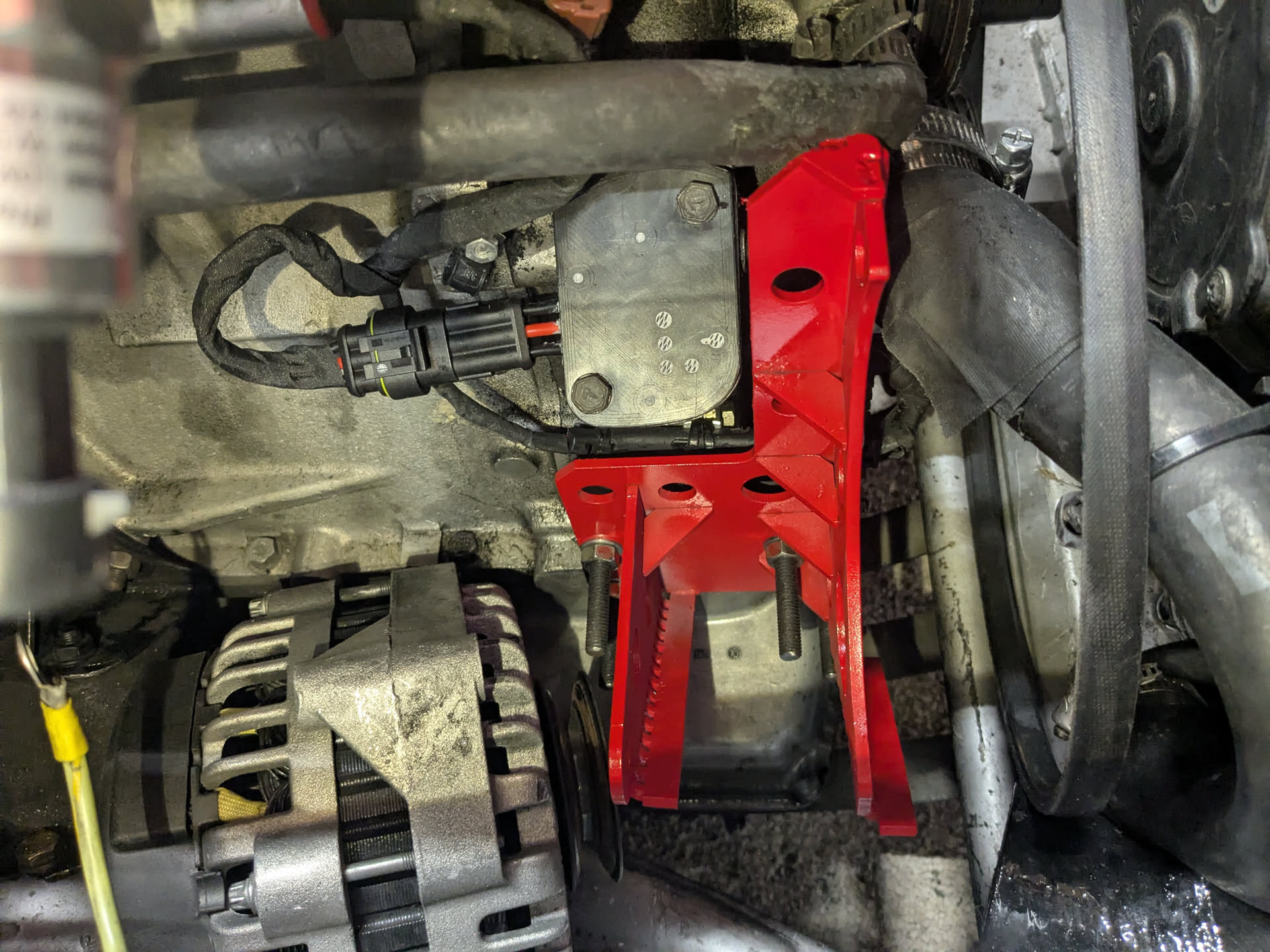
- Alternator relocated to SPICA pump's position on a custom bracket, cut by SendCutSend (Aug 2025). Supercharger is in original alternator position.
- Alternator monitored through its tach signal: belt slip (drive ratio) and lost belt (which also means no water pump) are caught as audio-visual warnings
- PWM controlled fan, with a manual override switch on the dash
- LiFePo battery in the trunk.
- USB-C PD outlet, even capable of powering a laptop.
Communications and entertainment
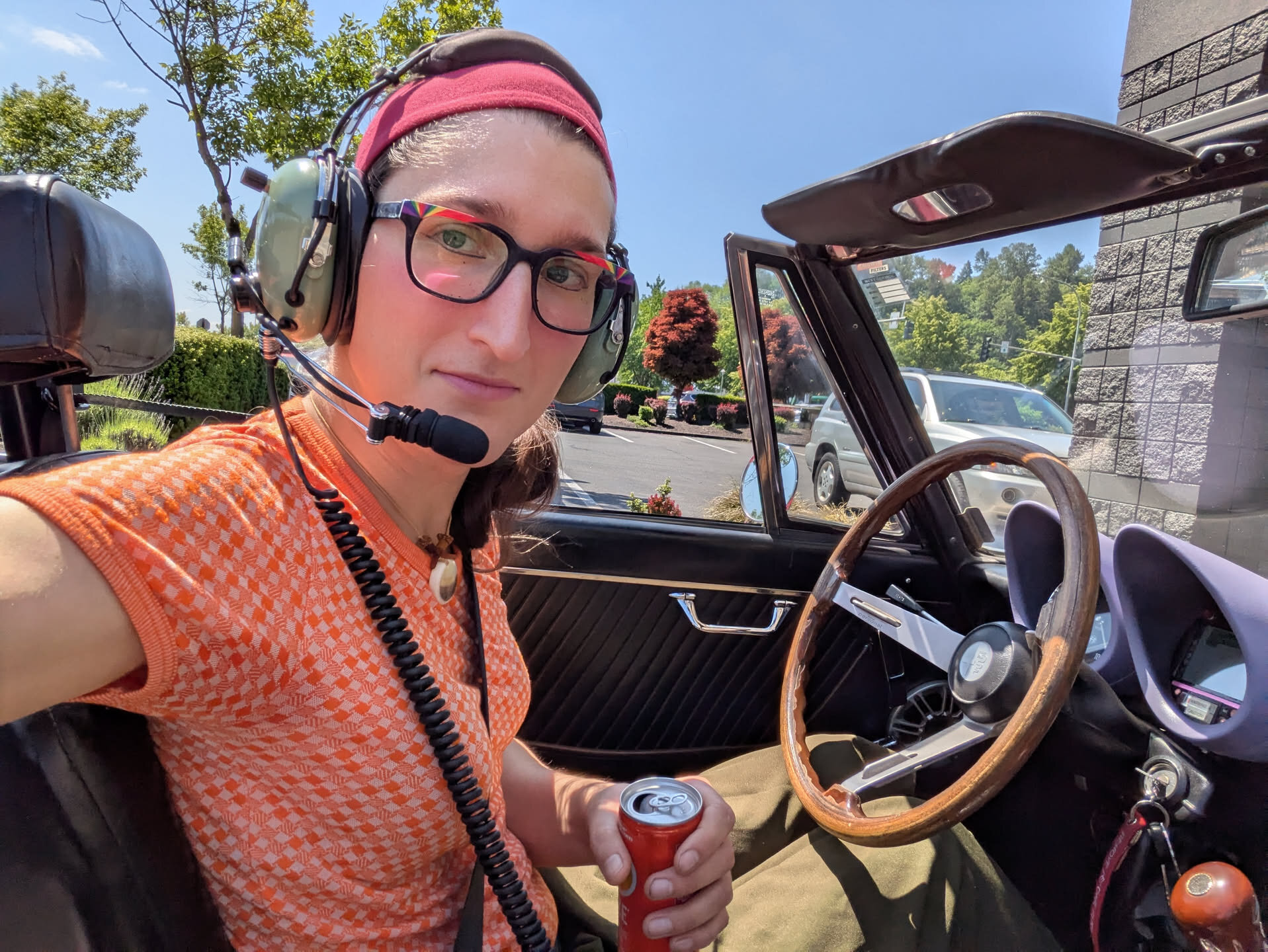
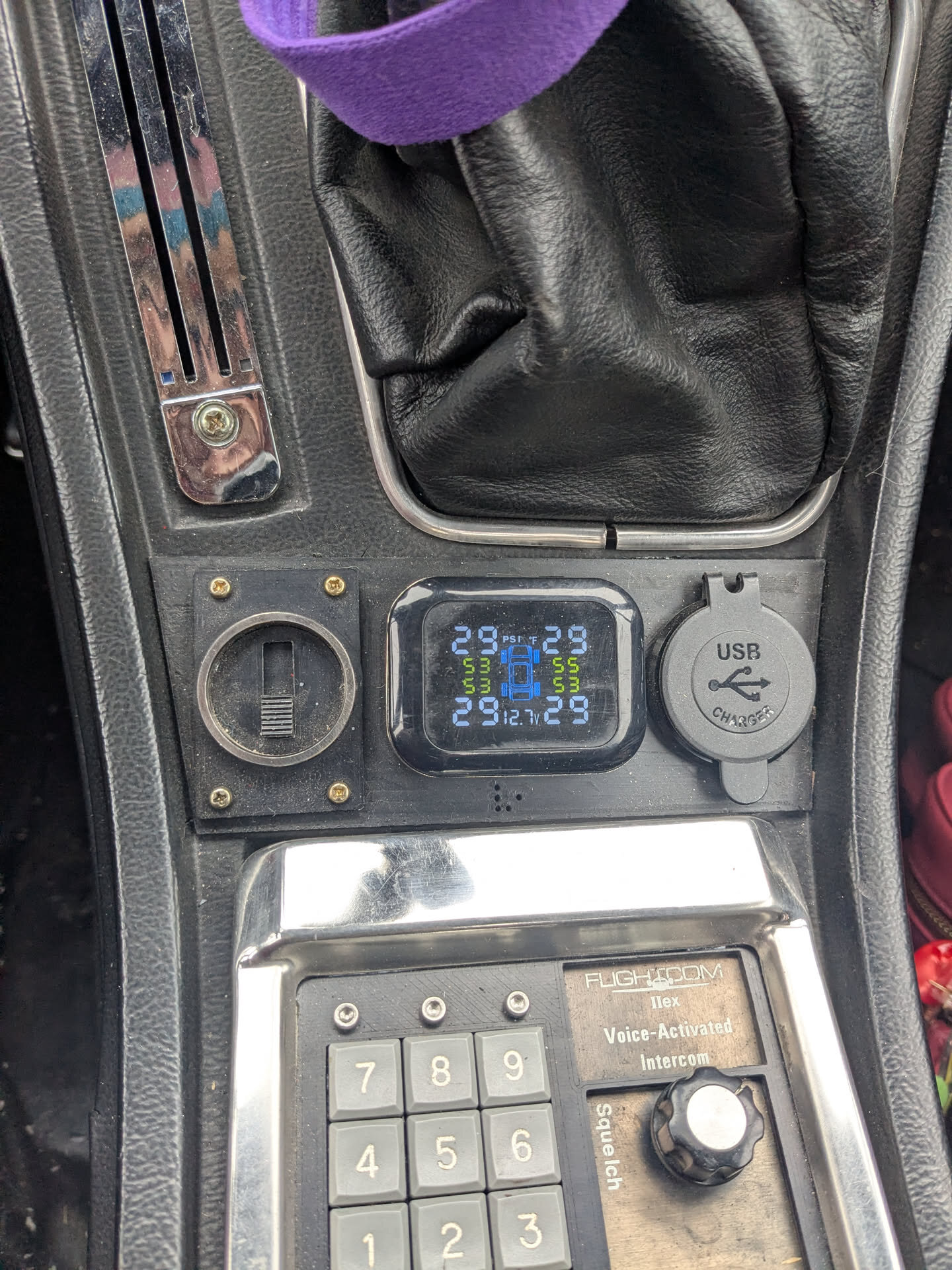
- Aviation intercom built in, with two David Clark headsets
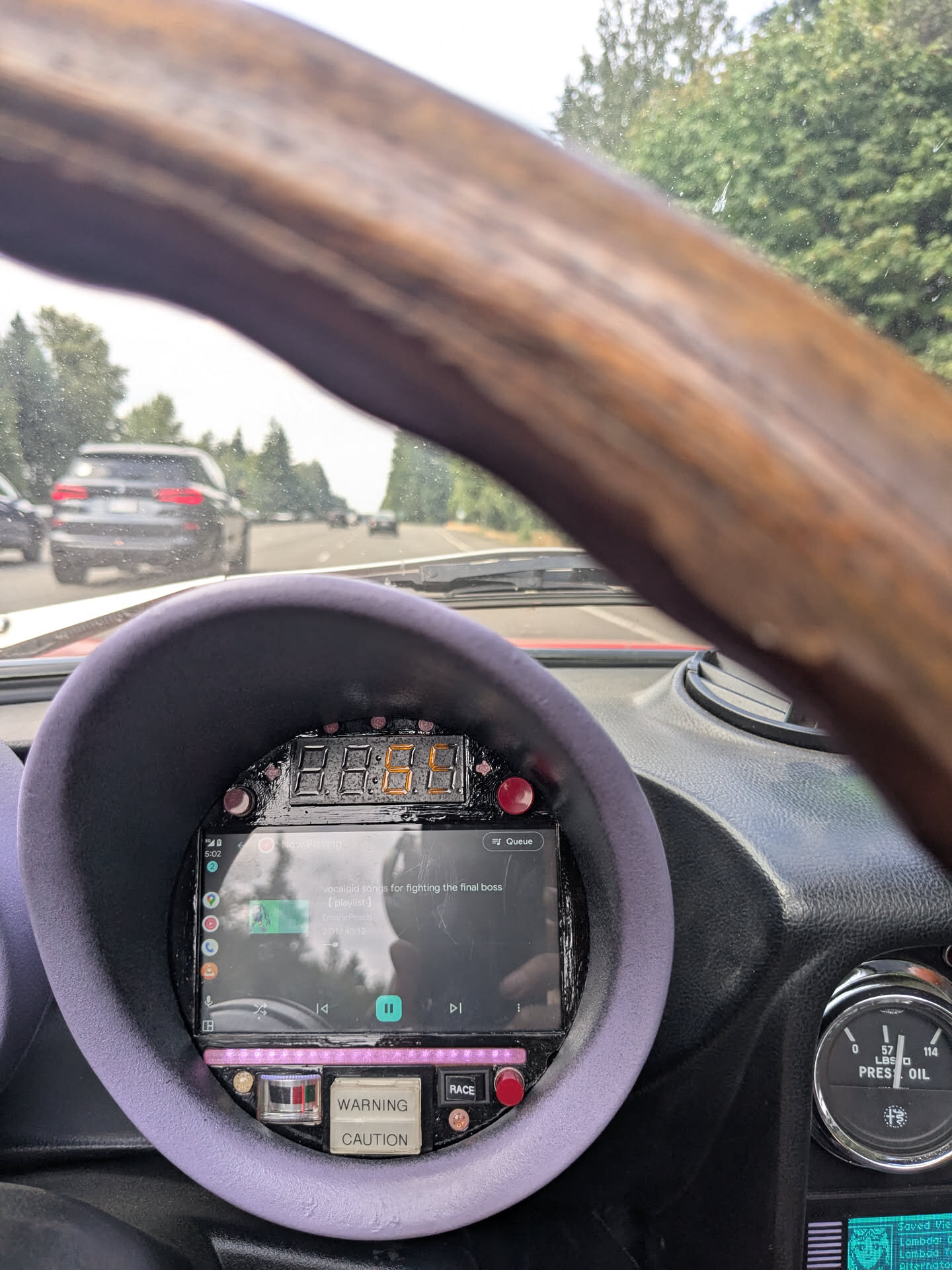
- Android Auto head unit integrated with the gauge pod (it works through the intercom); controls reverse engineered and integrated into the dash/CANBUS control.
- Lightweight class-D amp and loudspeakers
Monitoring and alerting
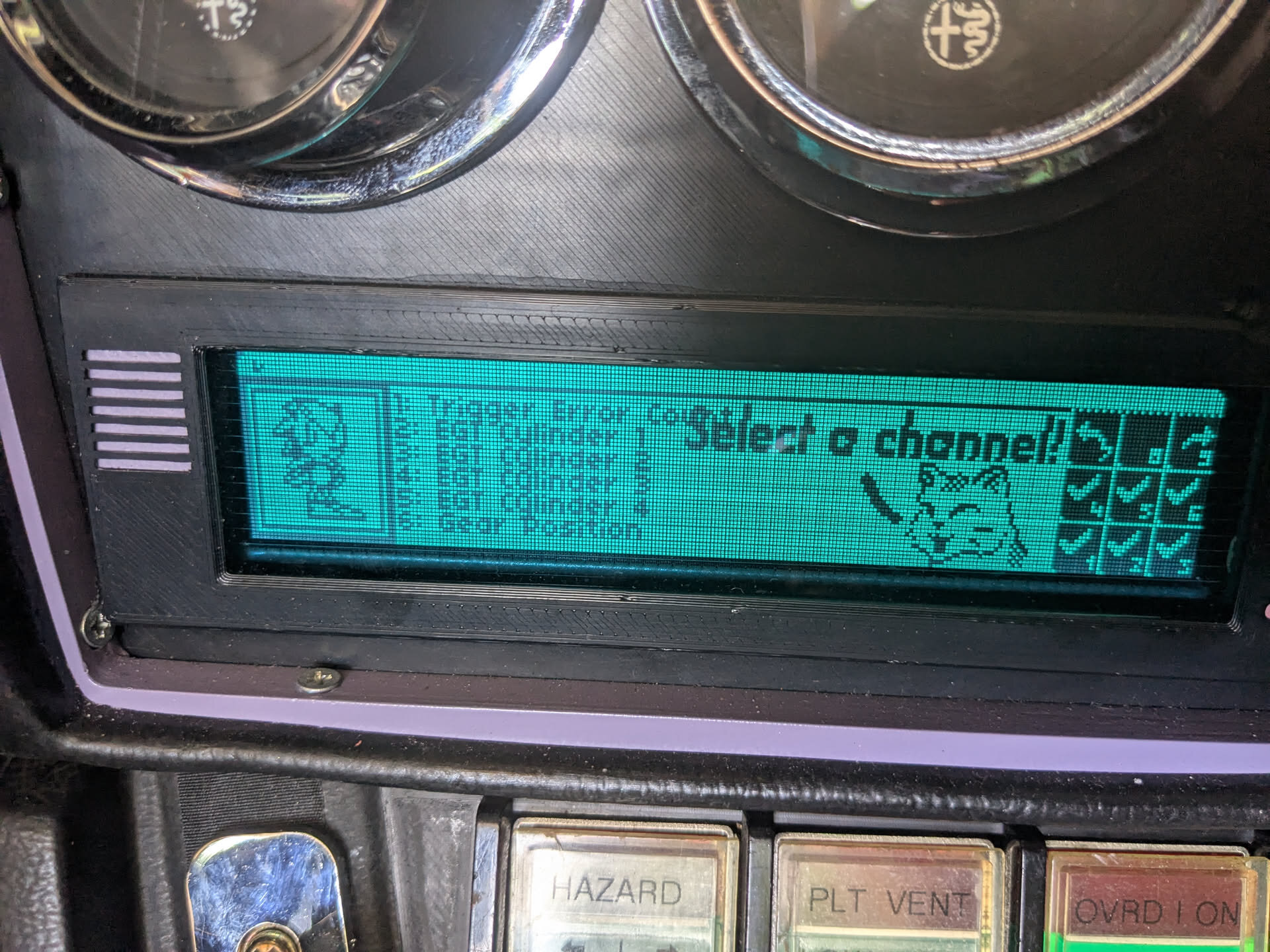
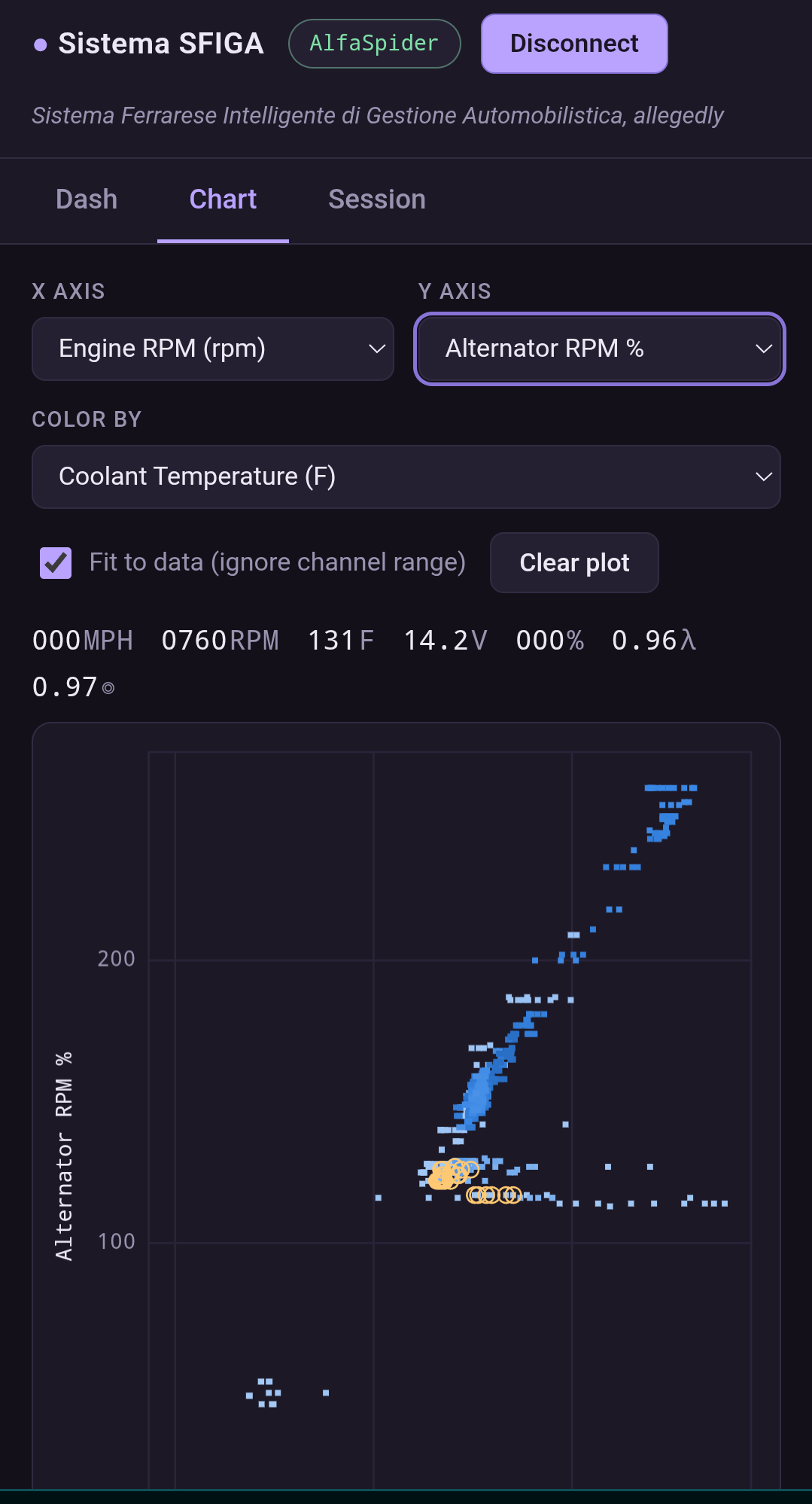
- Continuous monitoring of 50 channels (all of them can be charted live on the dash and logged over BLE)
- Aviation-style master caution and master warning lamps, with a pilot acknowledge switch
- Master warning and caution cover everything being watched, from oil, fuel and coolant pressure, coolant flow, belt slip, brakes, battery and the starter's charging, to the ECU's own check-engine and engine protection
- Boeing cockpit sounds are the primary alerting system, tied to the real monitoring: "whoop whoop"/ warning tones
- Condition-dependent monitoring (critical oil pressure is judged vs. temperature, for example)
- 25 dash messages plus the Haltech's ~630 DTCs, listed in priority order on a messages page with history
- Cheeky SFX like Master Chief shield noises when the starter cap is low and when it has recharged
- Service tracking for engine oil and supercharger oil (hours, miles)
- Live range estimation based on ECU fuel flow + calibrated fuel sensor.
Safety
- Rollcage + 3 point street belts.
- Fire extinguisher
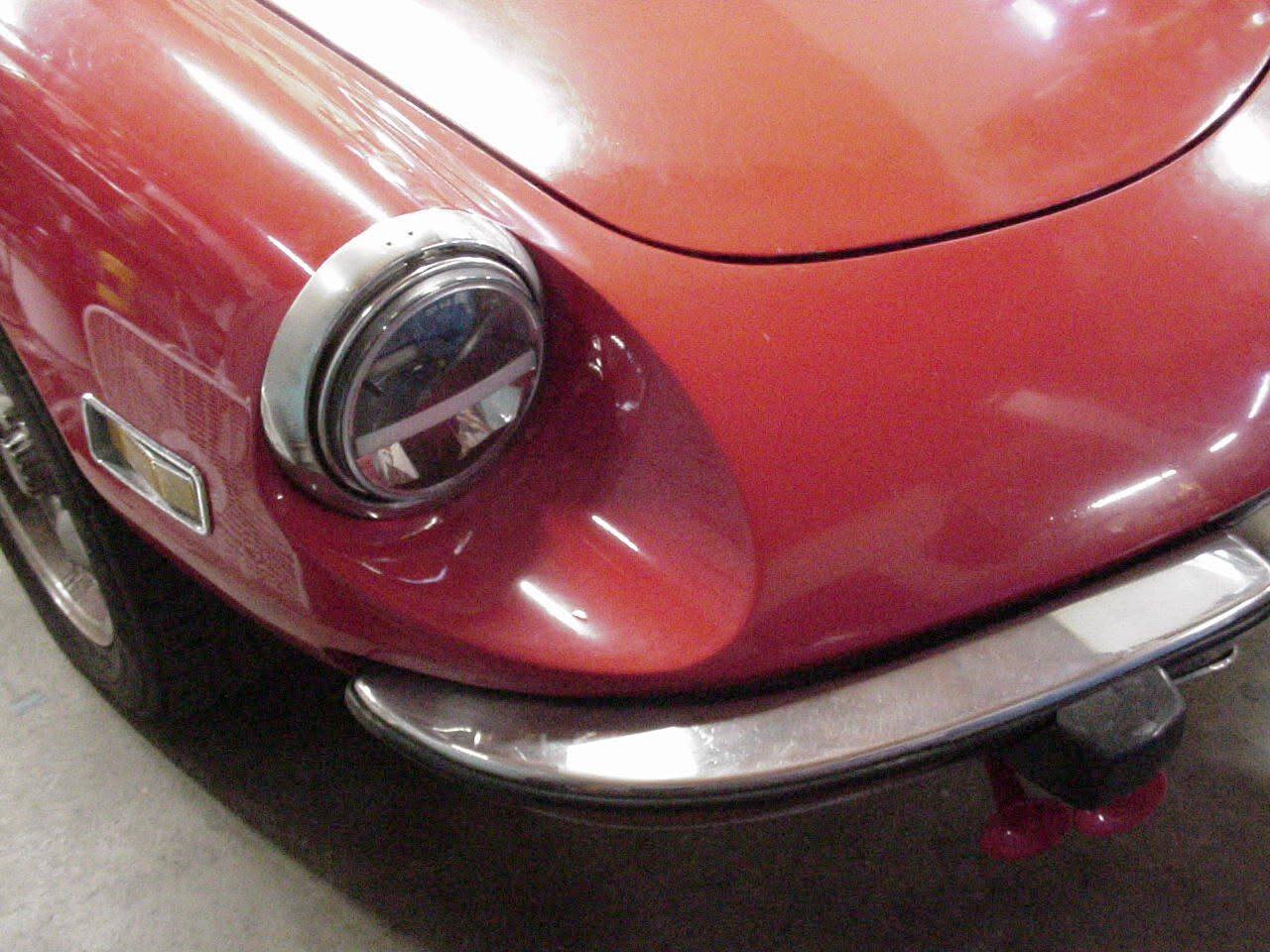
- LED headlights, properly aimed.
- TPMS with audible alarm.
- Watchdog timers on all critical systems.
- Loud-ass horn.
- Coolant pressure monitoring/warning.
- DRL modification.
- Complete rewire of all systems using modern fuses + new harnesses and distribution blocks.
The dash
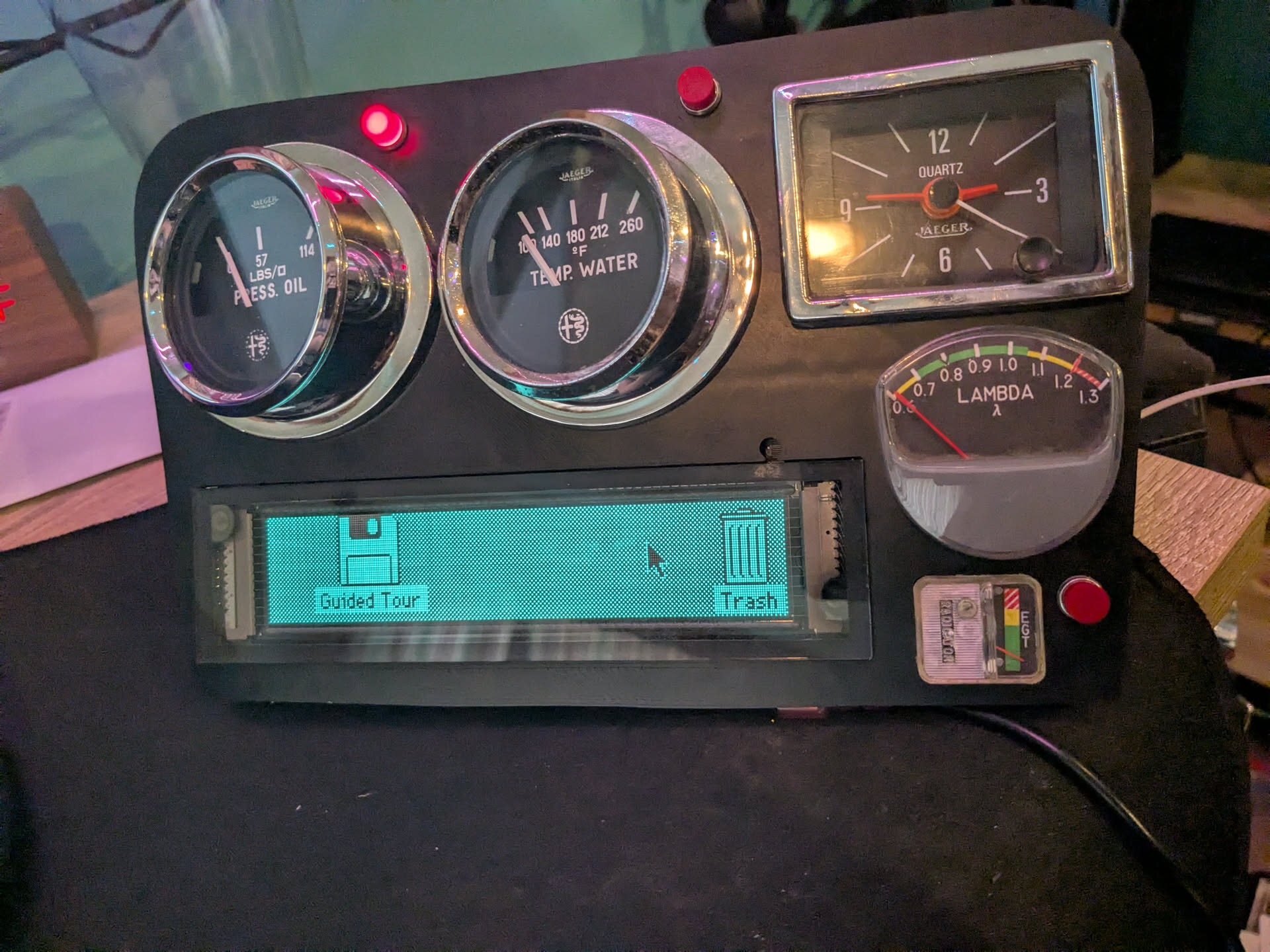
- Three places to look and touch: the main screen in the center, the gauge pod, and the center console
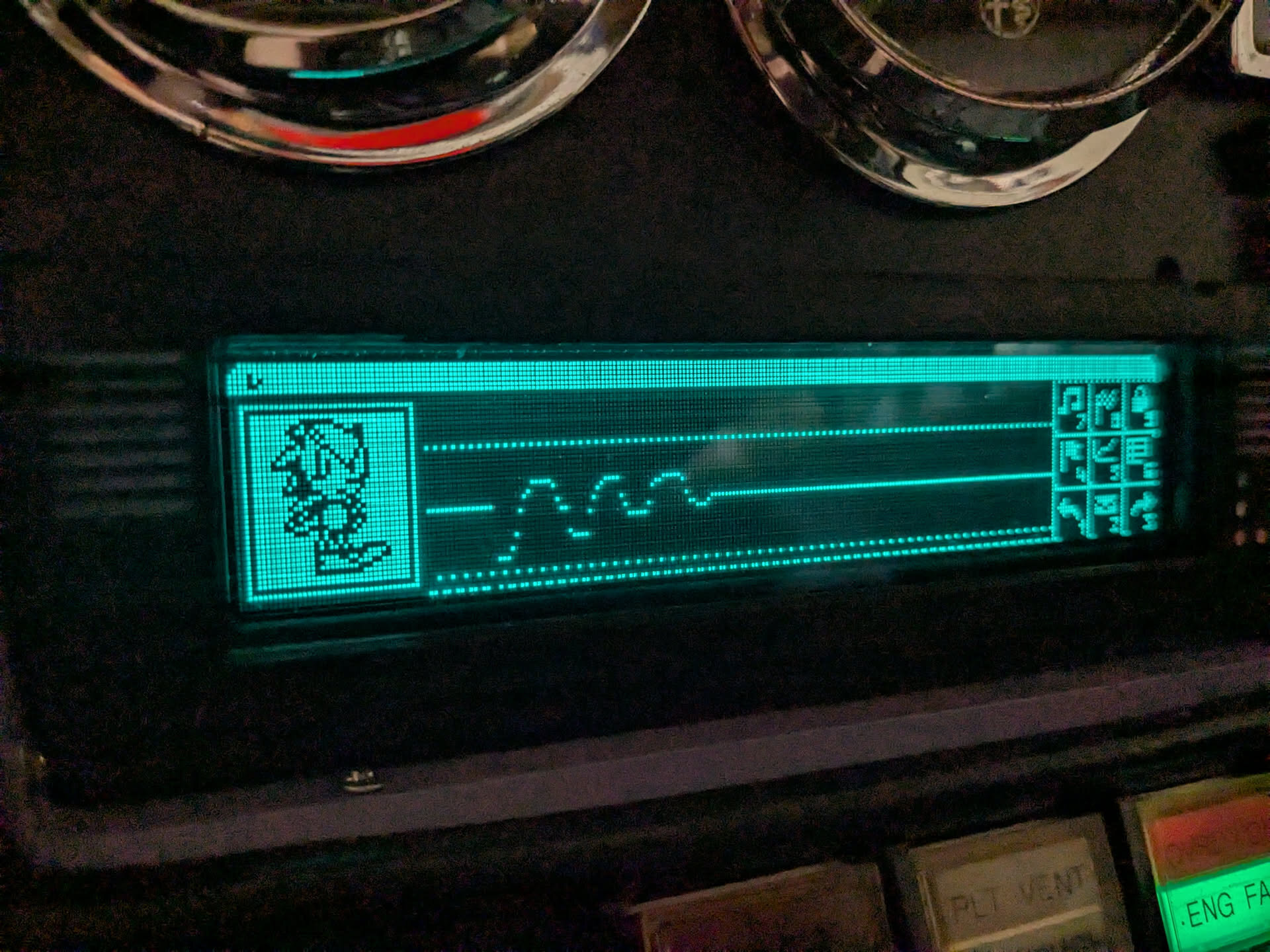
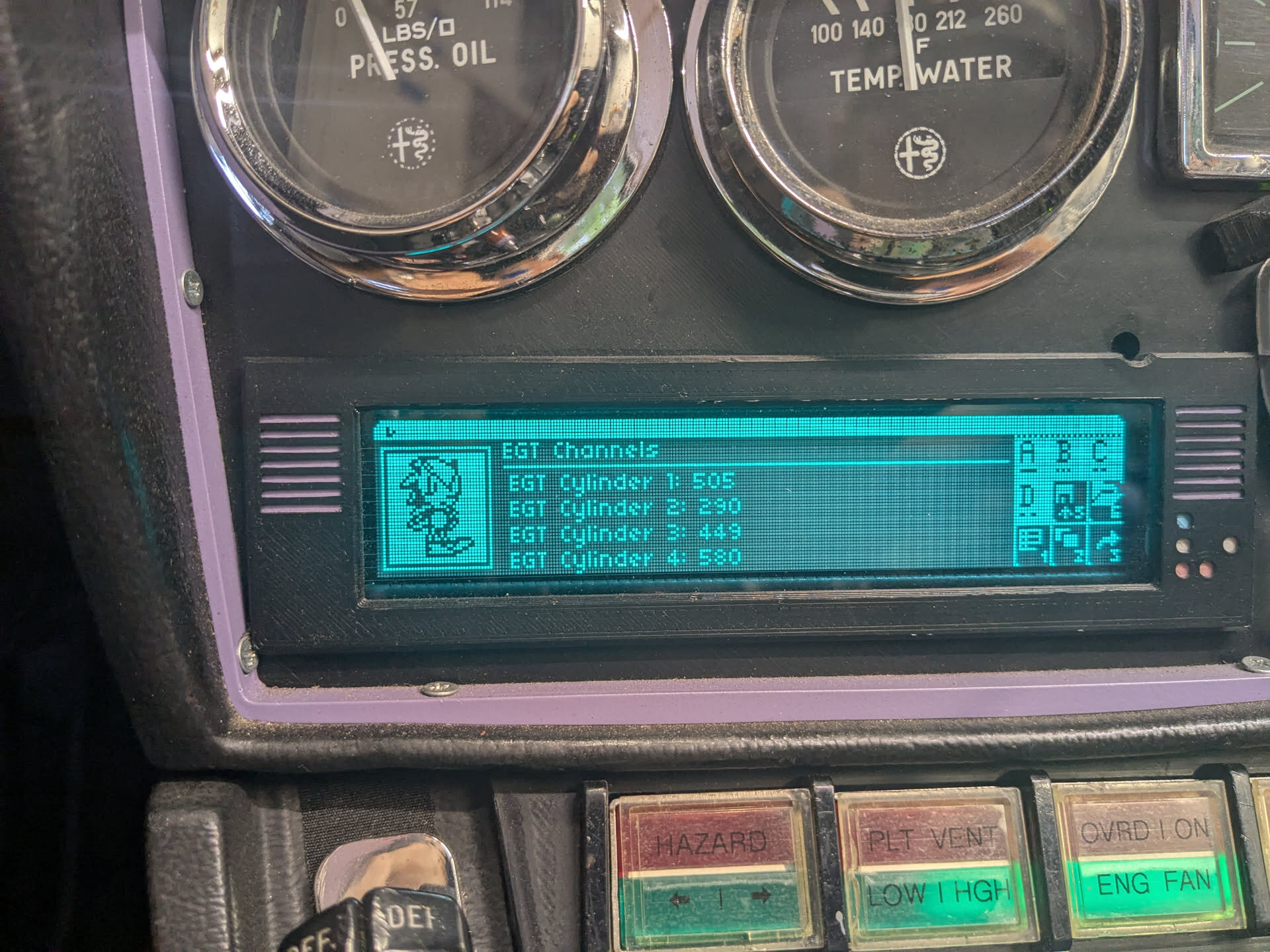
- Main screen: a 256×48 VFD. Pages for live charts, messages, trip computer (MPG, leg distance, time, fuel used, estimated range), calculator, service, music, home automation
- All interaction is performed with a keypad (located where the ashtray was) or physical button.
- Original and salvaged analog gauges driven digitally for critical stuff (lambda, oil pressure, temperature, EGTs)
- Lavetta, an animated character who reacts to what the car is doing (parked, warming up, cruising, low fuel, corners, hard braking, flooring it...)
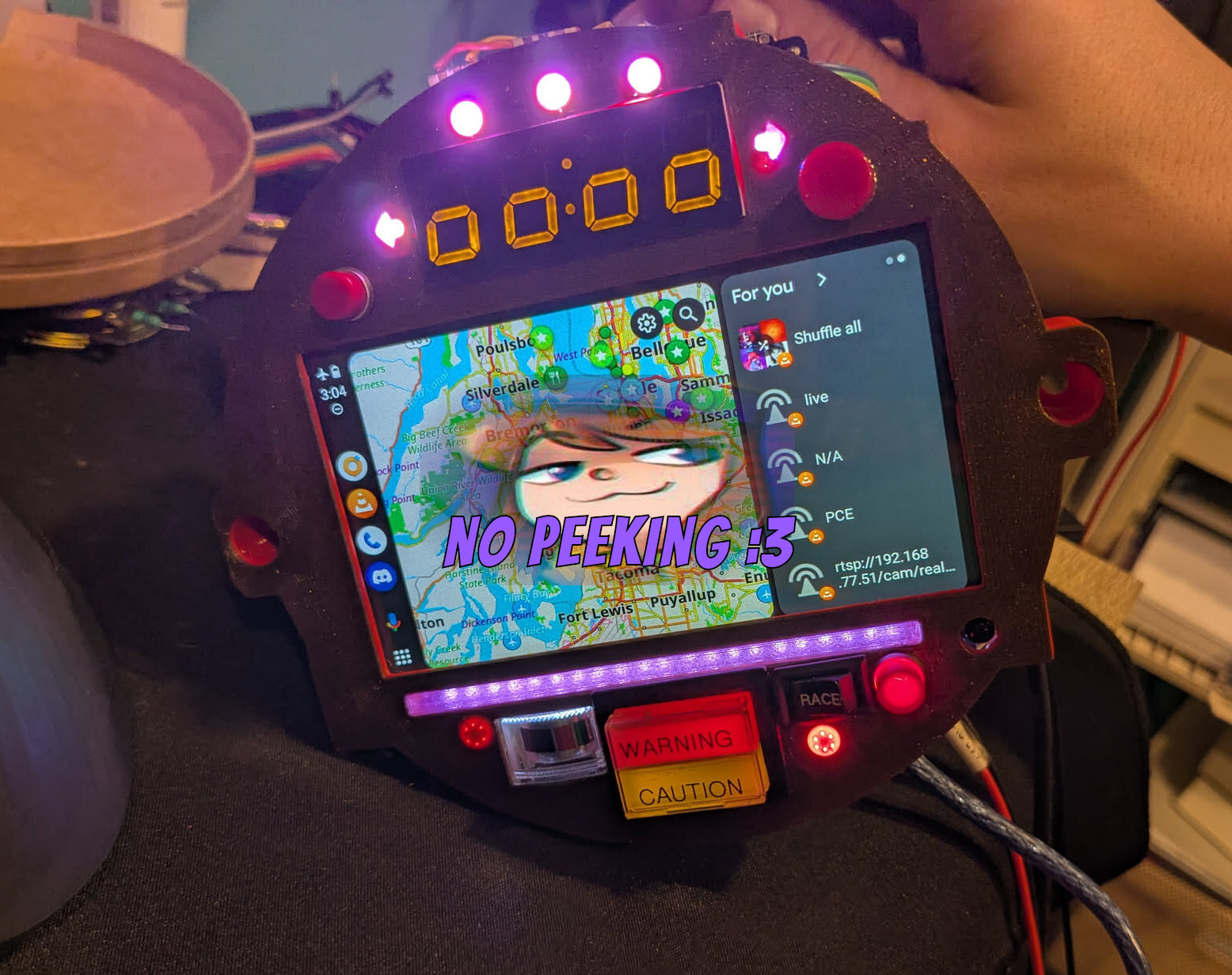
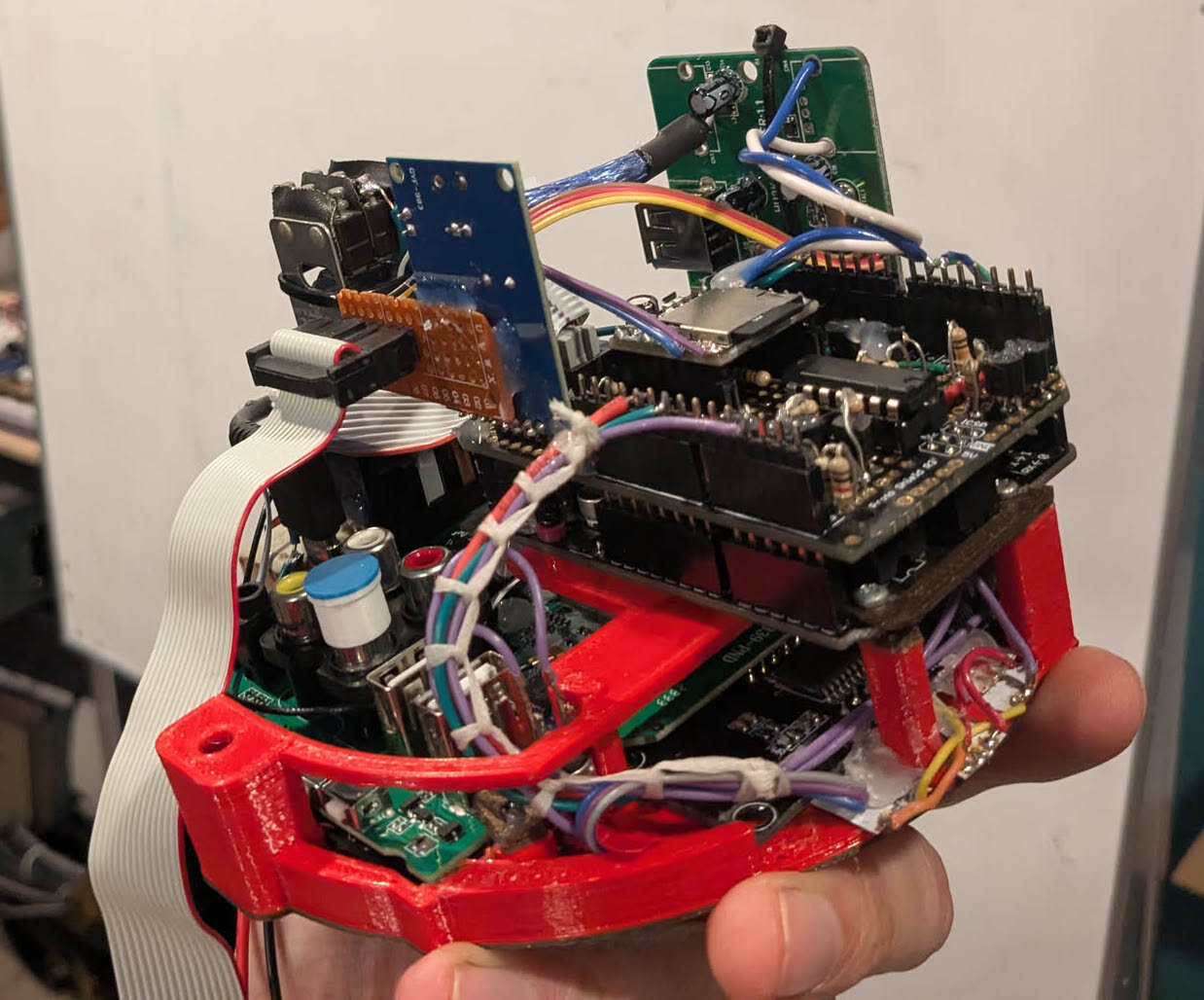
- Gauge pod: Original speedo replaced with higher density digital displays. 7-segment spoodo, master caution and warning lamps, turn signals, analog fuel meter, android auto screen.
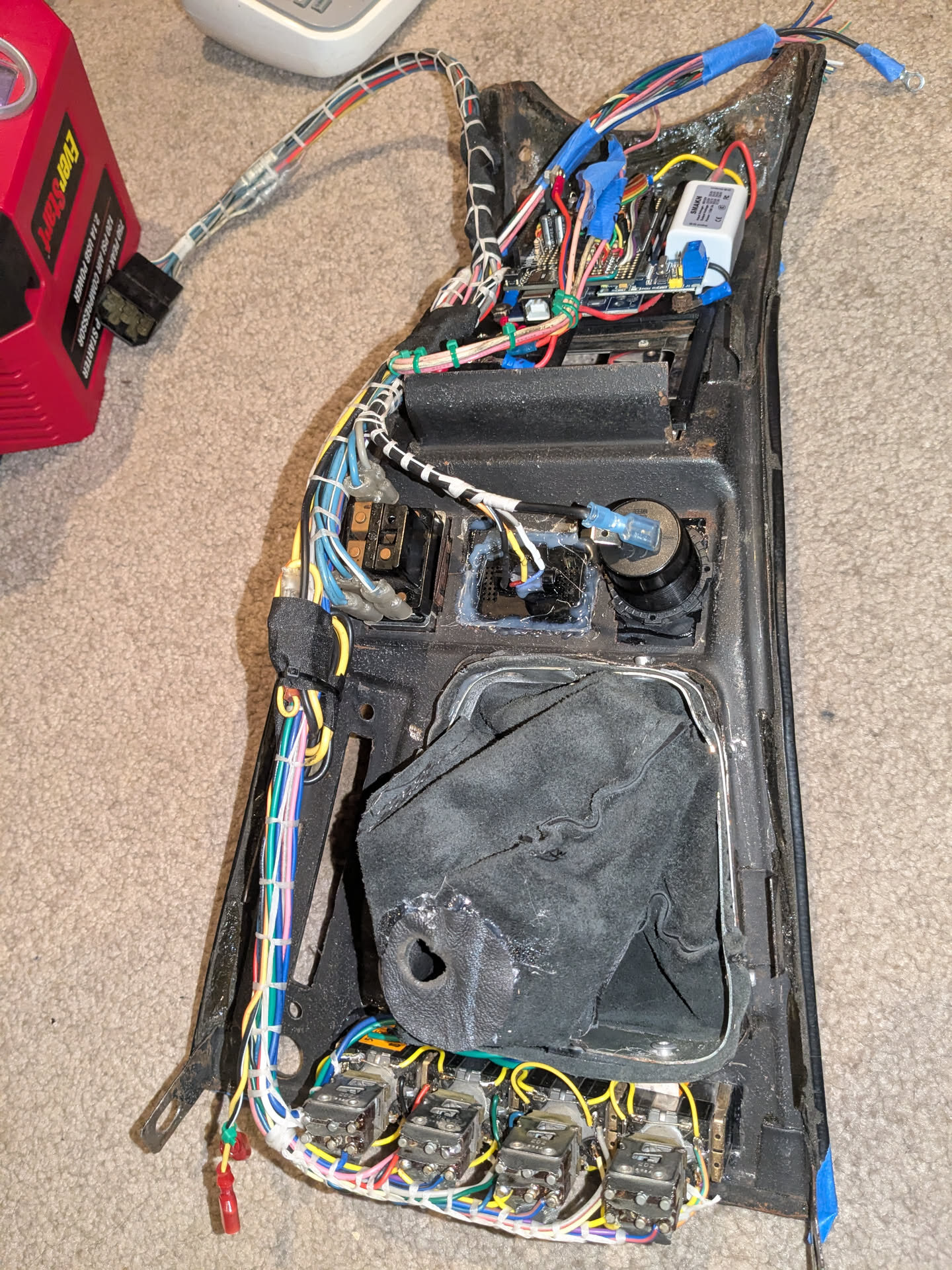
- Center console: keypad, illuminated Mission-control-style switches with feedback (hazards, cabin fan, engine fan status and control, AC bus state)
- Security PIN and kill switch
- Attract mode for car shows
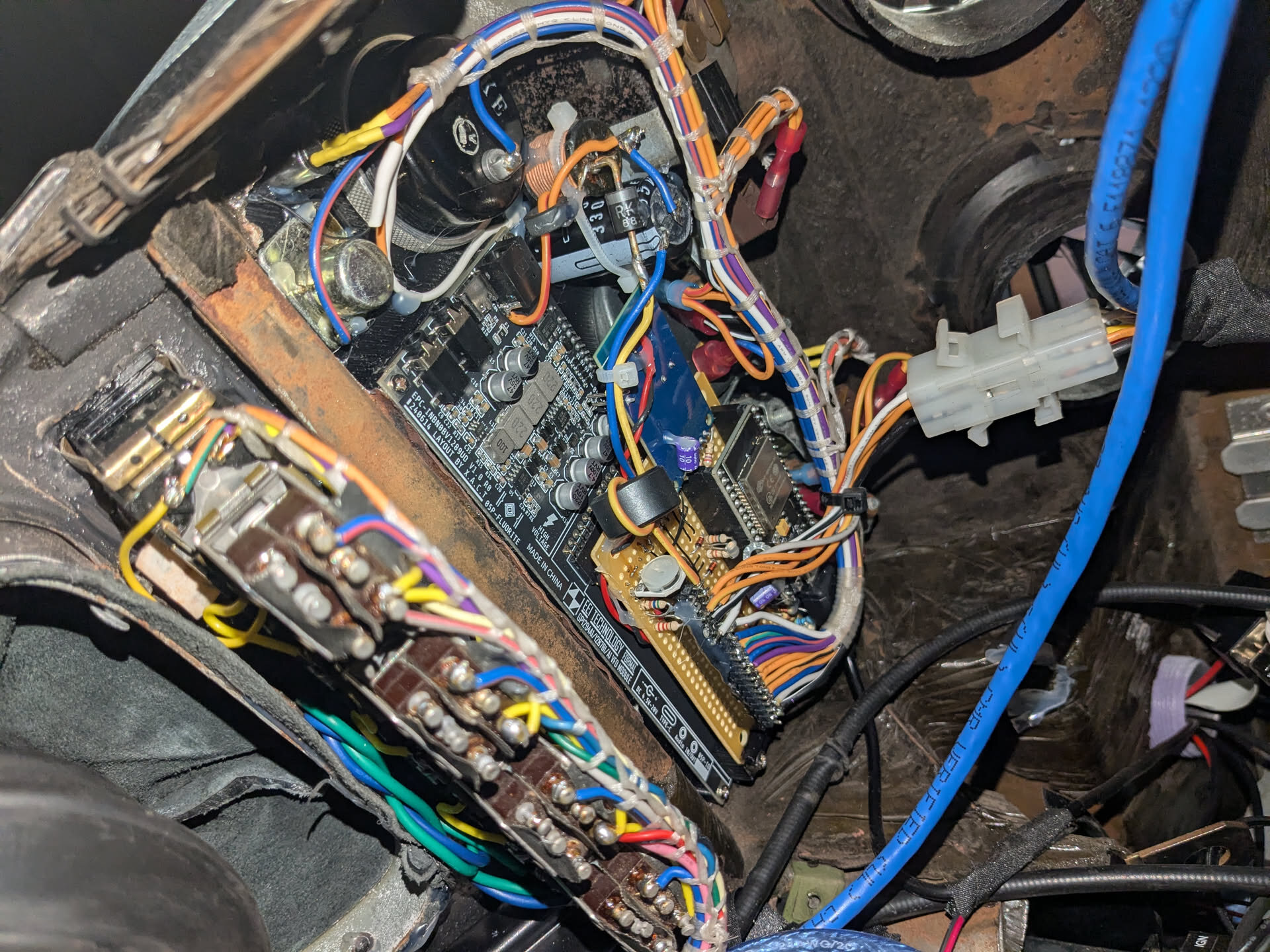
Under the dash: Sistema SFIGA
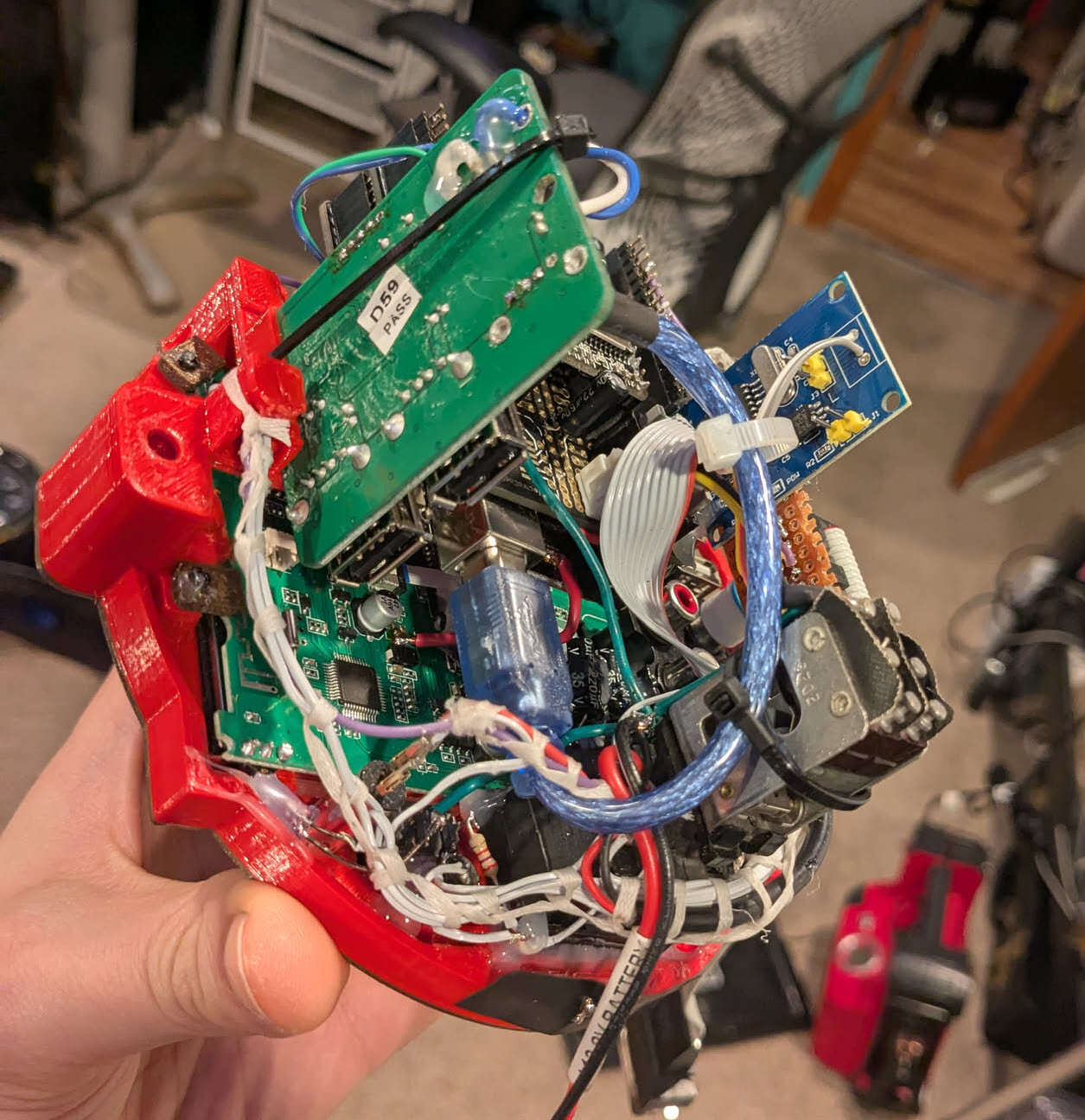
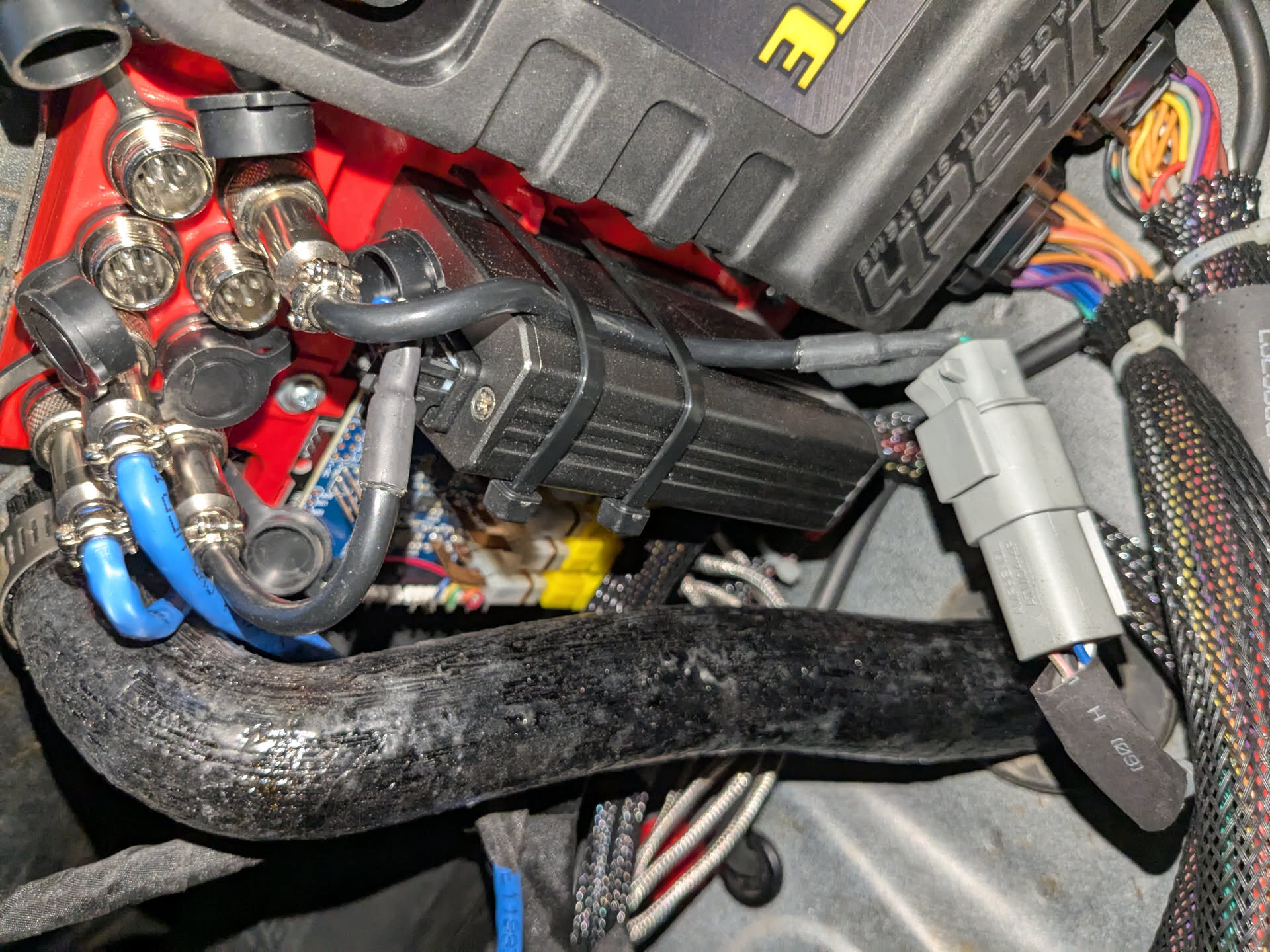
- Four hand built body modules plus a thermocouple bridge, talking over a 1 Mbps CAN bus shared with the Haltech
- Dash (ESP32), gauge pod (ATmega328P), center console (ATmega2560)
- EGT bridge: four thermocouples galvanically isolated, BME680 (ambient temperature, humidity, air quality, pressure altitude), real-time clock, fuel level; presents itself to the ECU as a Haltech IO box
- Onboard debugging tools and crash dump viewer.
Telemetry, spooky actions at a distance
- Web Bluetooth live view to monitor and log the car. Go to Session -> Demo Stream to test it out!
- Home Assistant integration! Can turn on my porch lights from the dash, etc.
In the oven...
- Proper pulley size to get some real boost.
- More art and animations for Lavetta :)
Log
- 2025-06-06 Haltech DTC Trouble Codes as CSV
- 2025-03-12 1974 Alfa Romeo Spider Dash 3D Scans